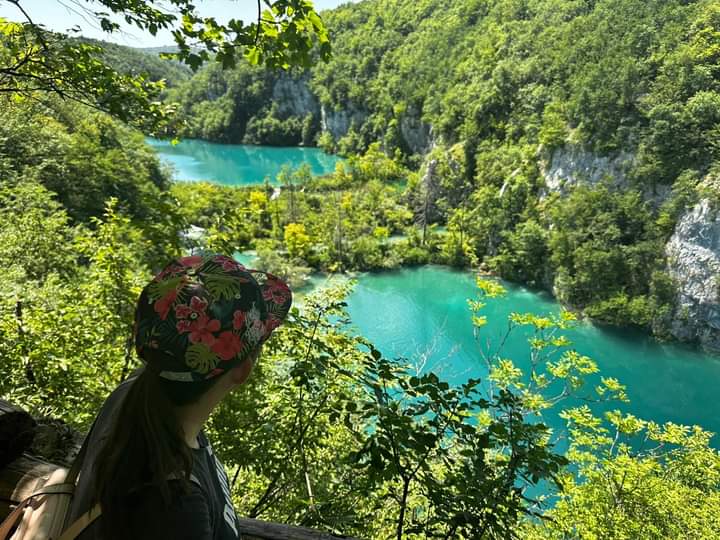
Let’s talk about traveling in Turkey! There’s a LOT of misconceptions out there about this big, beautiful country filled with mystical landscapes and ancient ruins. Tens of millions of people visit Turkey every year from around the world and yet it is still a country that’s largely unknown to many. Almost every friend that I have spoken to who was curious about traveling in Turkey has asked: “Is it SAFE??” And my answer is a resounding “YES”!!
Despite what you may have heard in the mainstream media about Turkey, it is a relatively stable democracy and a secular republic, which makes it stand out amongst its Muslim neighbors. There are absolutely no restrictions on what women can wear in public (unless you’re visiting a mosque), there’s surprisingly good infrastructure, and visitors need not fear for their personal safety at all. If there is any danger to be mentioned, it’s only about being overcharged by some unscrupulous merchants! Nothing leaves a bad taste in your mouth more than getting ripped off, so always check the menu to see that the prices are clearly marked before sitting down in a restaurant, double check the bill to make sure you weren’t charged for items you didn’t order, and definitely ask the price before buying little things like ice cream to avoid nasty surprises.
How to get around: My family and I have rented cars and driven all around the western half of Turkey on 4 separate road trips over the last 5 years. I know it can seem a little daunting at first but customizing your dream itinerary and having the freedom to explore on your own is so rewarding and doable for everyone! Google Maps work like a charm in Turkey and there’s no need to splurge on professional guides or drivers at all. Grab a good guidebook of your choice, read up on internet resources (like this blog 😉 and DIY at your own pace!

The Official Capital of Turkey, Ankara: We flew into Ankara to check it out for a couple of days before we headed to Cappadocia. It’s a big, spread out city with a modern skyline as well as a Roman past. In Roman times, it was called Ankyra and it still has some (but not so impressive) ruins from this era, such as the Roman Bath, Column of Julian, and the Temple of Augustus. But the real highlights of Ankara are: 1) Anitkabir, the imposing mausoleum of the founder of the modern Turkish Republic, Mustafa Kemal Ataturk; 2) Museum of Anatolian Civilizations, a small but well-curated national museum exhibiting top ancient treasures found throughout Turkey; 3) Ankara Castle, a hilltop Byzantine-era fortress with fabulous views over the city and a cute historical village below converted into a shopping area; and 4) hanging out in the vibrant Kavaklidere neighborhood filled with diverse dining options. I highly recommend the popular Korean restaurant there called Korelee!

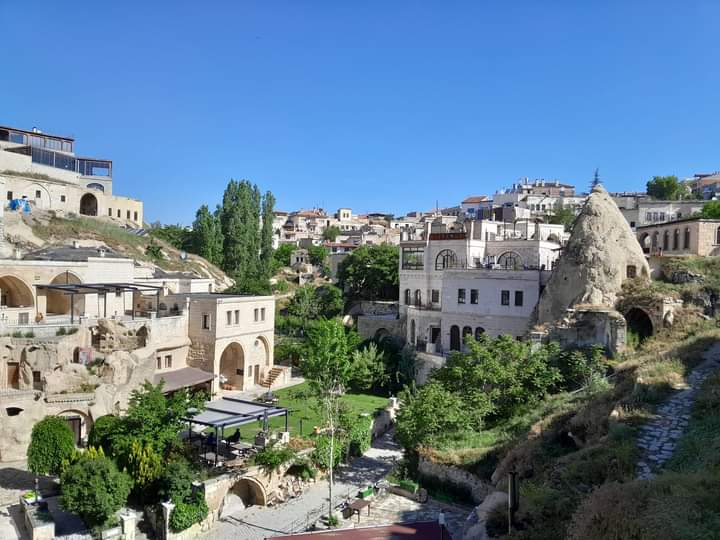
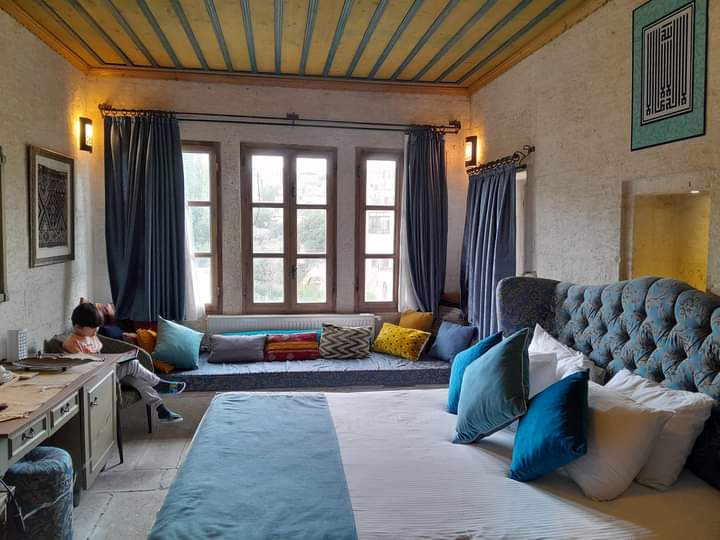
After a couple of pleasant days exploring Ankara, we headed off to Cappadocia (an easy 3 hour drive). Pictures of colorful hot air balloons floating throughout its stunning, otherworldly valleys have gone viral in recent years, making Cappadocia a top destination in Turkey. There are many gorgeous boutique hotels befitting the world-class destination that it has become. Staying in a plush cave hotel is absolutely one of the coolest experiences ever! We stayed at the Elaa Cave Suites in Ortahisar (make sure to book the Deluxe King Suite No: 99 directly on their website for the lowest rates). It has a winding wrought-iron staircase leading up to a private rooftop terrace with a valley view, a spacious bedroom, and a living room with extra beds – perfect for a family. The only inconvenience was that the bathroom was also up the winding staircase, so I wouldn’t recommend it with anyone with mobility issues or for very young children.
Just up the stairs from our suite was the cute village of Ortahisar, dominated by the Ortahisar Castle. The “Castle” is basically a natural geological formation that’s been carved out and used as a watchtower since Byzantine times. The climb up and down the Ortahisar Castle is most definitely not for the faint-hearted; our son got scared and started crying on the steep 90-degree staircases (they’re so perpendicular that they’re more accurately described as ladders than staircases)! But once you make the arduous climb, the birds’ eye view of the region is fabulous.
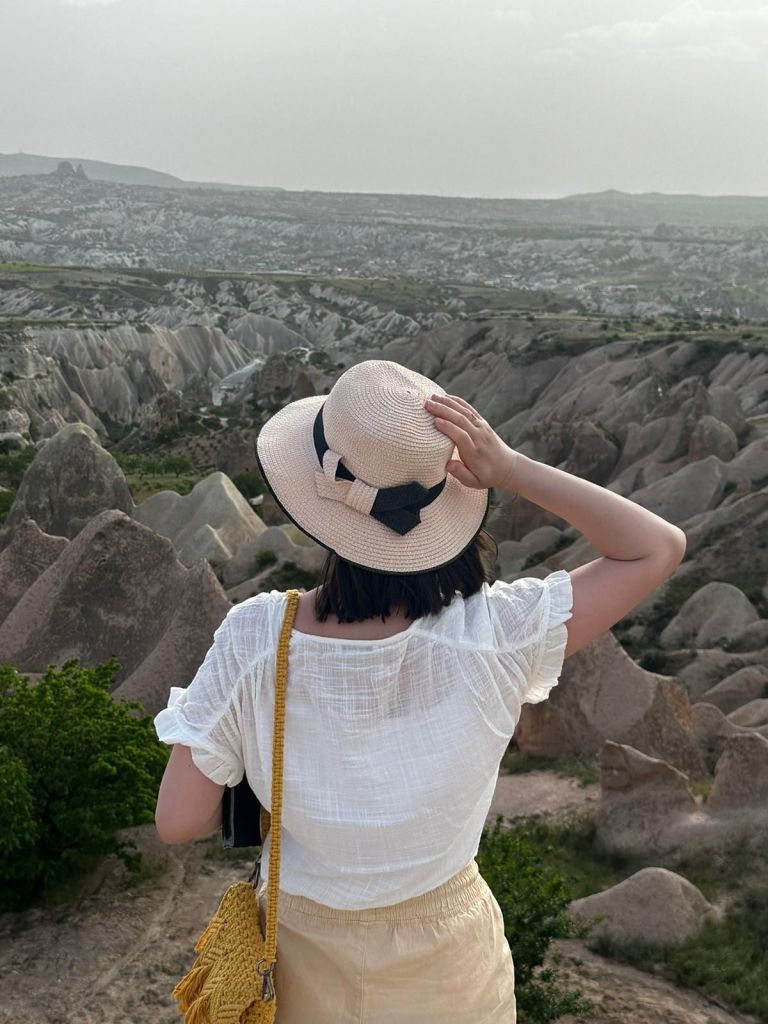
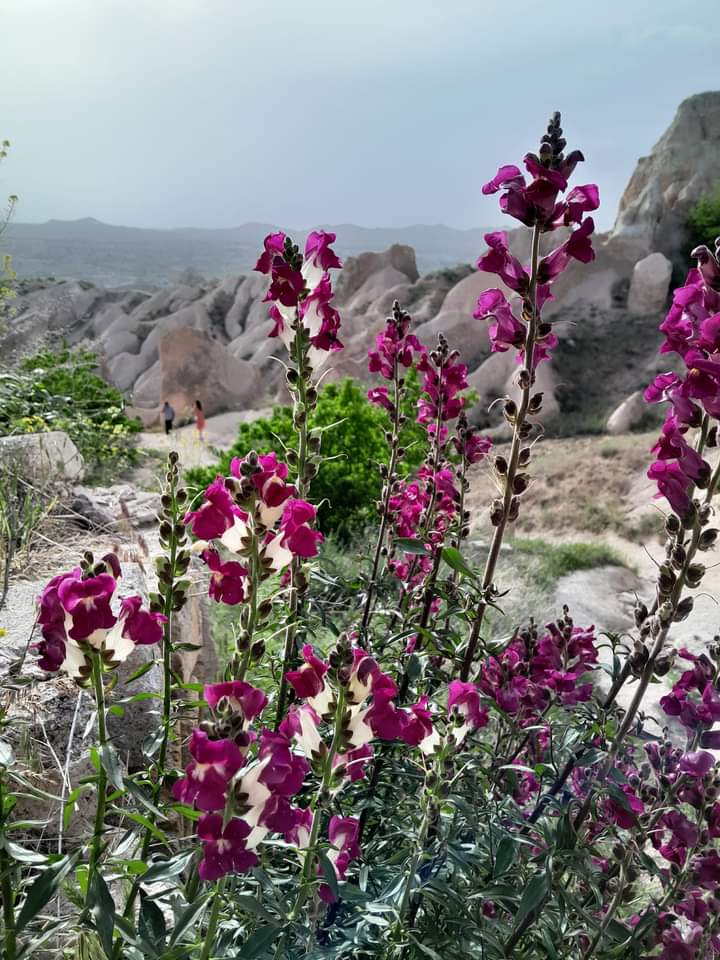
The Must-See/Do’s: There’s such a myriad of things to do in Cappadocia, that you will easily be able to fill a 3-day itinerary picking and choosing the best activities for you and your family. Out of all the things that we did, I think hiking in Rose Valley was the most memorable. The light pink hued valley was very striking, and with all the delicate spring flowers in bloom during our visit (late May 2024), I couldn’t stop taking pictures. And there are several rock-cut Greek Orthodox churches hidden throughout the valley, like little jewels to be discovered for those who dare to venture further. And they were all free! But I would rate the terrain and the hike as moderate-to-difficult, so be prepared. Bring lots of water, wear sturdy hiking shoes, wear sunblock and a hat, etc. If your little one is not an experienced hiker already, I would be wary of attempting this hike with a younger child. But my 5-year-old is very adventurous and strong, and he said this was his favorite activity during this trip.
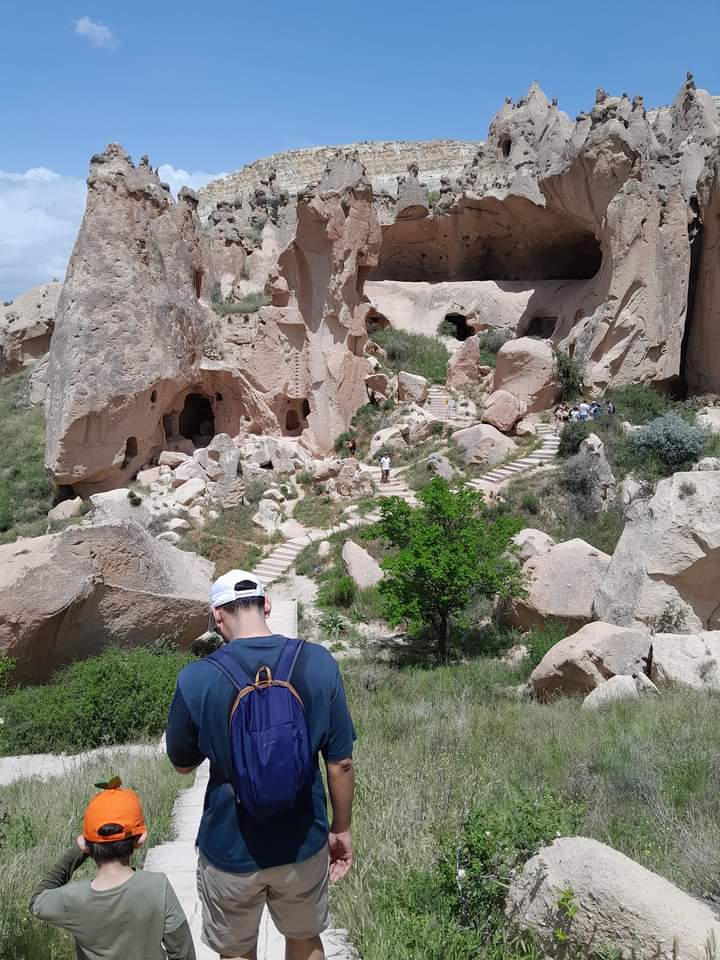
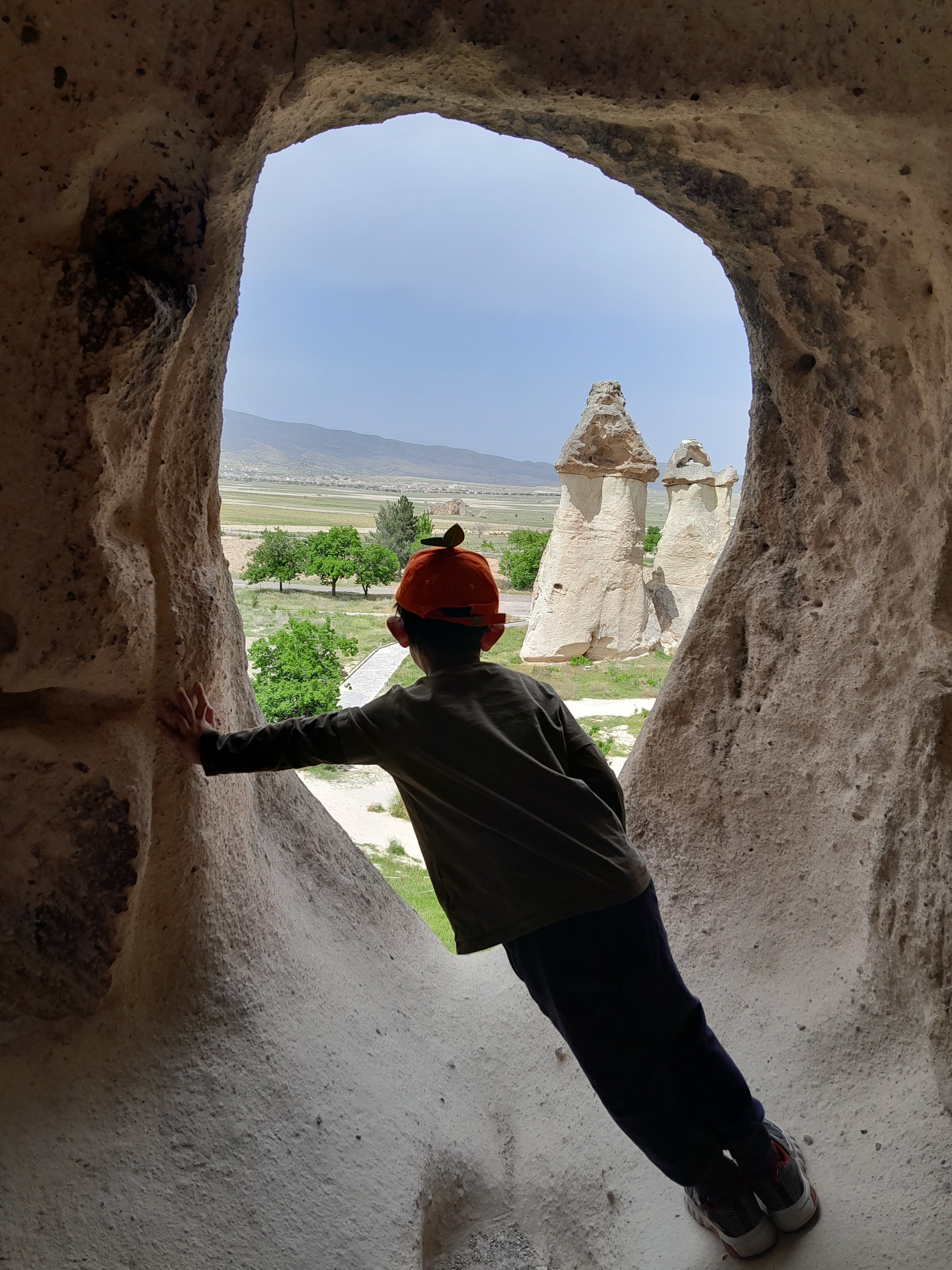
No visit to Cappadocia would be complete without visiting Goreme National Park, Zelve Open Air Museum, Pasabaglari Open Air Museum, as well as Derinkuyu Underground City. Starting with the Hittites (Bronze Age Anatolian people), the soft sandstone cliffs and geological formations of this region were carved out and used as living quarters and sanctuaries. Then the Christian Greek population expanded and utilized these cave dwelling networks for centuries to avoid Muslim raids. By visiting and learning about the history of these sites, you will simply marvel at the ancient people’s ingenuity and resourcefulness.
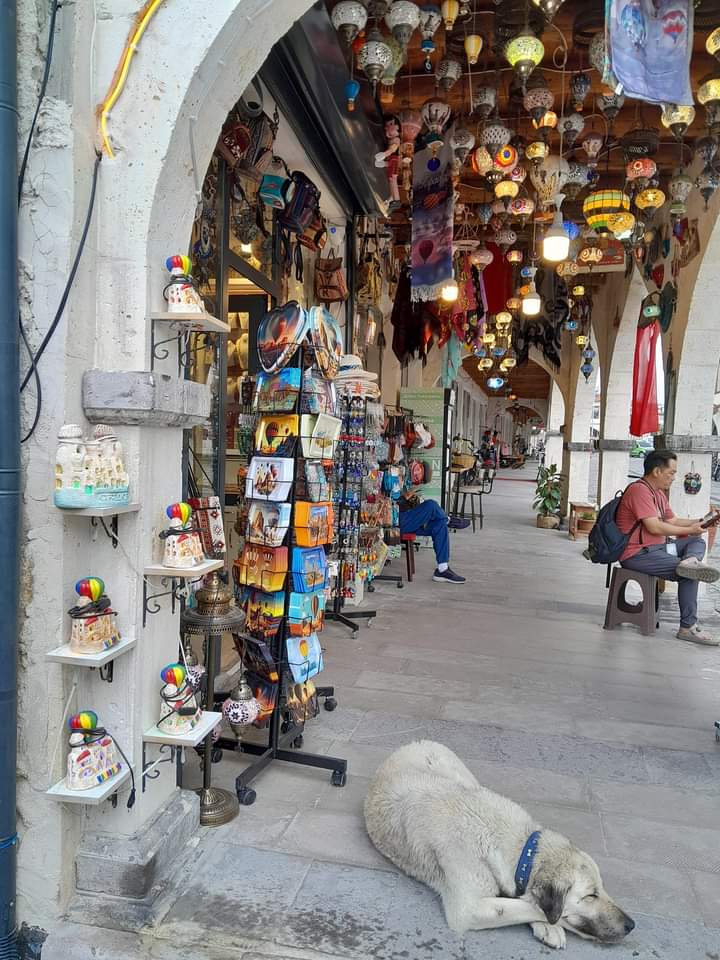
Just as the popularity of Cappadocia has skyrocketed in recent years, the admission prices of attractions, accommodations and restaurants have risen to match the hype. Be prepared for the sticker shock! Admission prices at major sites are posted in euros (payable in Turkish Liras, using the exchange rate of the day). Due to hyperinflation, Turkey is no longer a bargain destination it once was in general, and this is especially true in Cappadocia. Also if you’re shelling out big bucks for the hot air balloon rides (around $200/pp), note that your ride can get cancelled at the drop of a dime in the event of any adverse weather condition. The region is prone to sudden winds and quick-passing thunderstorms (we experienced this during our trip). The morning that we got up to see the hot air balloons taking off in Love Valley, it started to rain a little bit and all the hot air balloon companies packed up and left very quickly. This is due to safety concerns of course, but just be mentally prepared to spare yourself the disappointment.
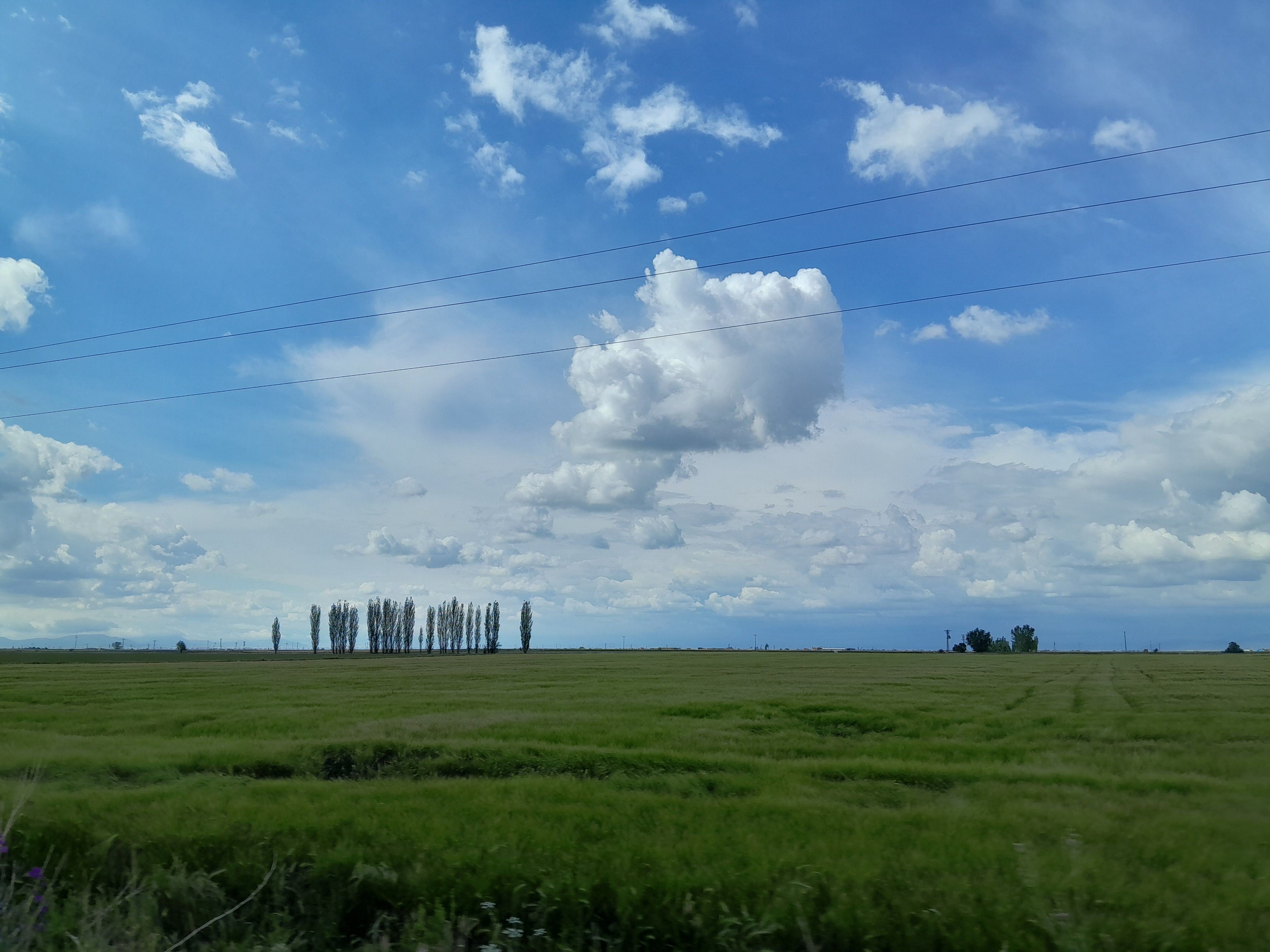
When the novelty of the rock formations wears off and the the super touristy vibe of Cappadocia starts to get to you, it’s time to hit the road again. It’s a surreal experience driving around in Central Anatolia in the springtime – the rolling green fields stretching as far as the eyes can see, the blue sky and the clouds, all looking like some idyllic photoshopped screensaver or wallpaper on Windows PC!
If you’re a history buff like me, you would really enjoy exploring all the archaeological sites in Central Anatolia to learn about the various ancient civilizations that thrived here at different times throughout history. Here are my recommendations on what to see while while driving to and from Cappadocia to Ankara:
- Catalhoyuk
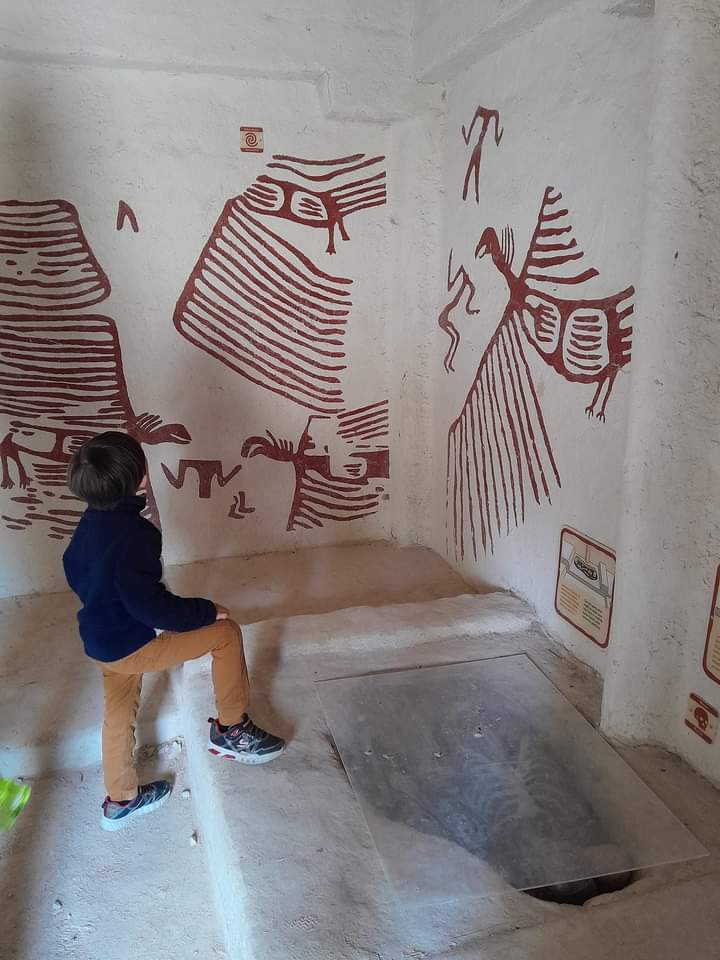
One of the oldest archaeological sites in Central Anatolia is the Neolithic settlement of Catalhoyuk (7,500BC-6,400BC), from over 9,000 years ago. There is a smaller, even older settlement at Asiklihoyuk (8,200BC) nearby, but it’s not much to look at other than the models of neolithic style huts and the excavation site with hardly any explanatory signs. Catalhoyuk was a much bigger proto-city that thrived for over a thousand years and it has a brand new state-of-the-art museum with interactive exhibits. And it’s all free of charge! It’s a fascinating glimpse into a point in human evolution where we stopped being nomadic hunter-gathers and started living in a sedentary environment harvesting crops and domesticating animals. My son loved the interactive exhibits in the museum and it was very informative for even the adults. My husband and I learned so much!
2. Hattusha
Hattusha was the capital of the mysterious Hittite Civilization that rose out of the plains of Central Anatolia in the Bronze Age (1,650 BC-1,180BC). They were once a mighty empire that stretched from Eastern Europe to the Middle East, and their armies went toe-to-toe with the Assyrians and Egyptians and prevailed.
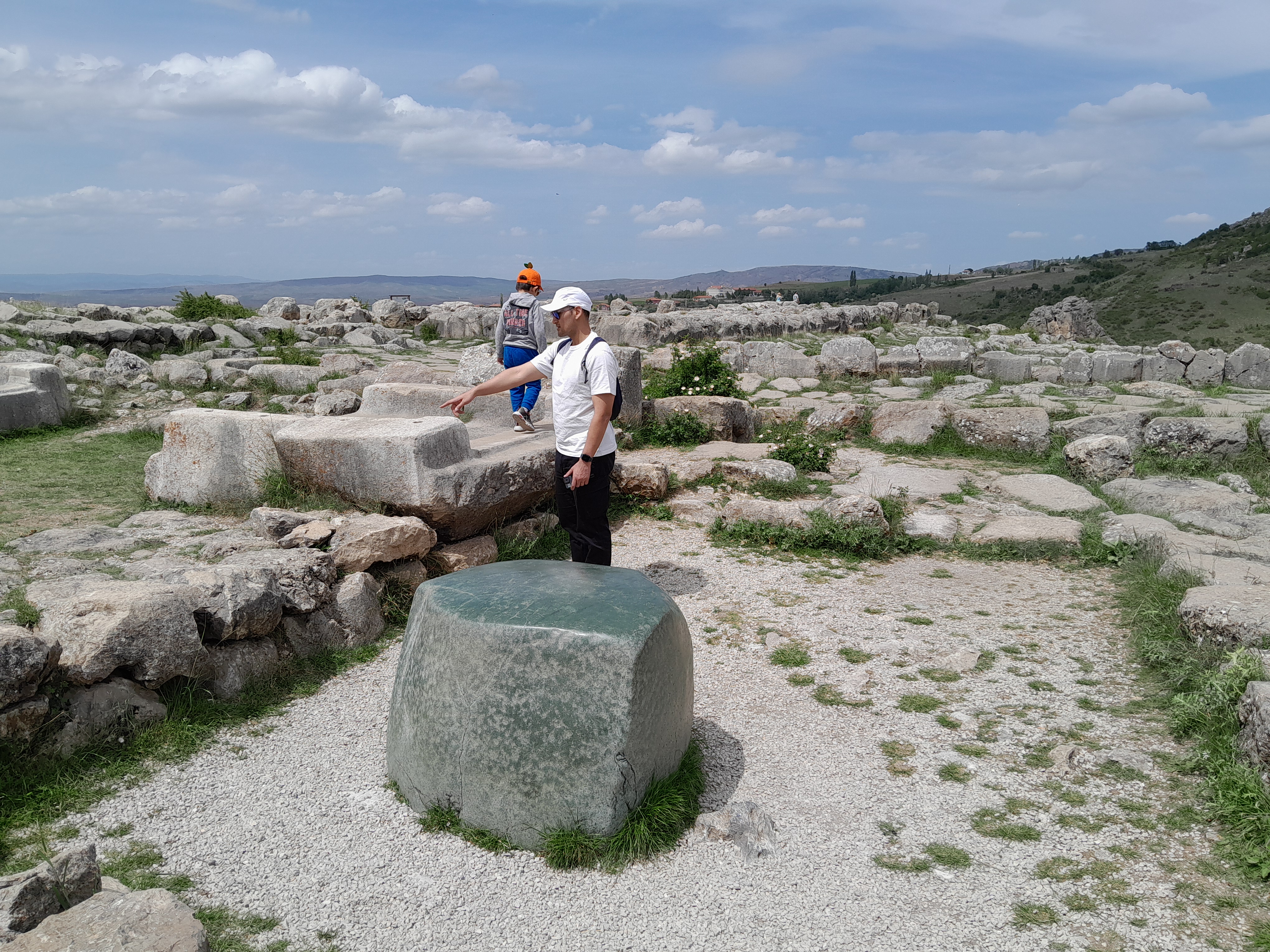
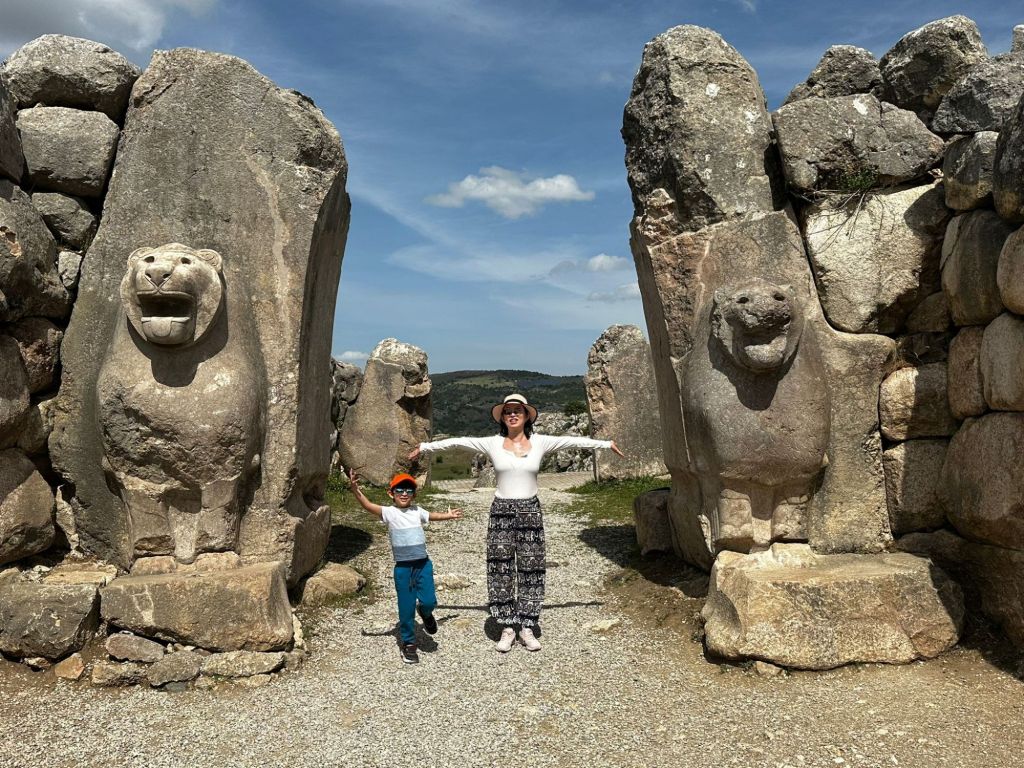
It’s a big sprawling site – so big that you will have to drive around it! There’s not much left standing except for some of the fortified walls, huge stone foundations of buildings, a few gates into the city with interesting sphinx and lion motifs, and monumental walls with Luwian Hieroglyphs. From these evocative remains, you can still see what a tremendous city it was back in the day with 40,000-50,000 people living in it at its peak. After visiting the main archaeological site, don’t miss the religious sanctuary at Yazilikaya (to see the fascinating rock reliefs depicting Hittite deities and kings) and the museum in the nearby town of Bogazkale to see other important Hittite relics.
3. Gordion
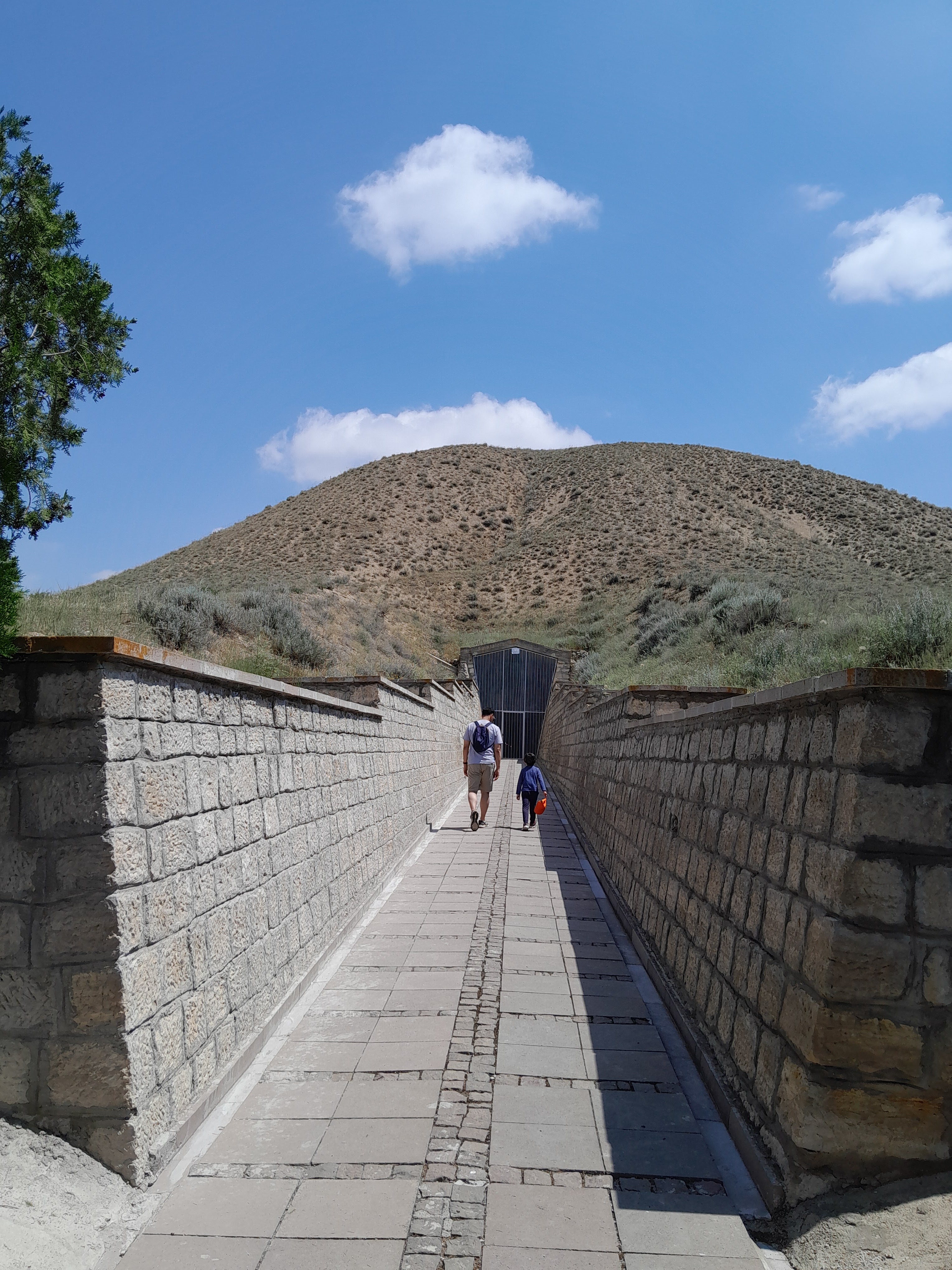
Gordion was another formidable city in Central Anatolia during the Iron Age, and the capital of the Phrygian Kingdom (1,200BC-675BC). Several legendary Phrygian kings are mentioned in Greek mythology. The most notable of them is King Midas, who turned everything (and everyone) he touched into gold. Also King Gordias, whom the city was named after, created the famous Gordion knot and an oracle prophesized that the man who would undo this knot would conquer all of Asia. In 333BC, Alexander the Great supposedly marched into Gordion, cut it with his sword and proved the prophesy to be true!
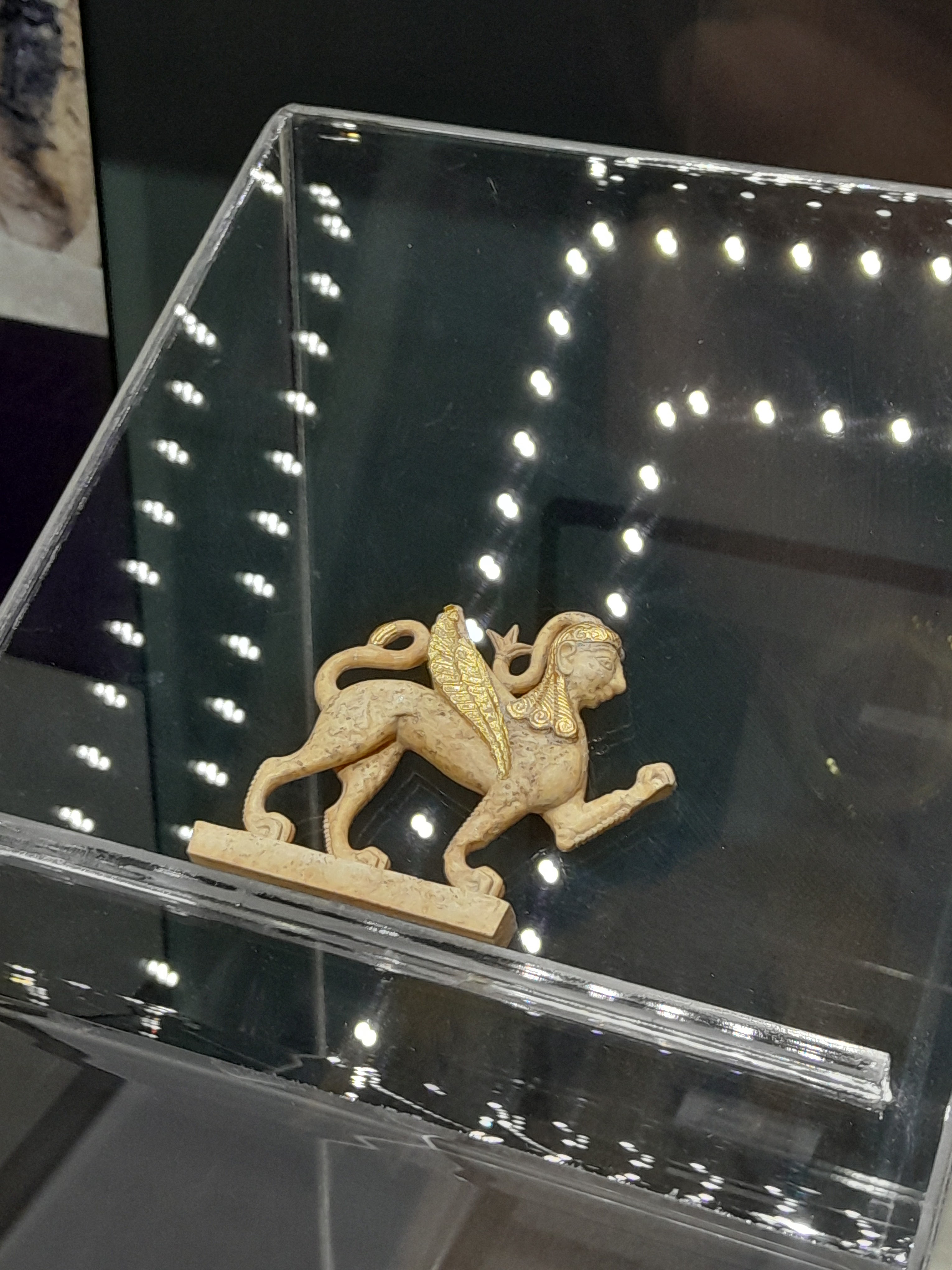
To be perfectly honest, the actual site of the ancient city of Gordion and the museum are a bit of a letdown. This once rich city has been reduced to rubble by many invasions and the tides of time, and the most noteworthy of the excavated treasures have been carried off to the Museum of Anatolian Civilizations in Ankara. However, the hundred or so tumuli scattered around the area are still impressive to behold. The largest of them all, the so-called Midas Tumulus, is so big that it looks more like a small mountain. Inside the tumulus is the largest and the oldest wooden structure in the world, which held the body and burial goods of an unnamed Phrygian king, assumed to be Midas (but carbon dating showed that it’s more likely to be his father, Gordias). The immensity of these man-made hills prevented the royal tombs from getting plundered. It must have taken thousands of people several years to build these! You can actually walk inside the Midas Tumulus and marvel at its sheer size and ancientness.
4. Tuz Lake (“Tuz Golu” in Turkish)
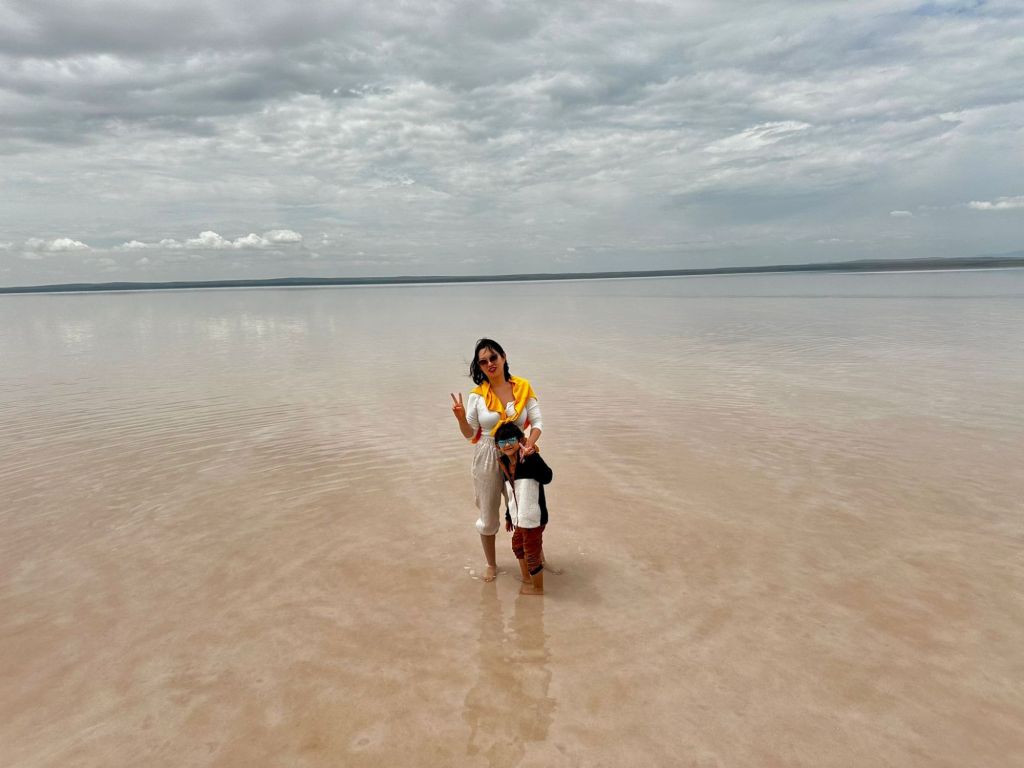
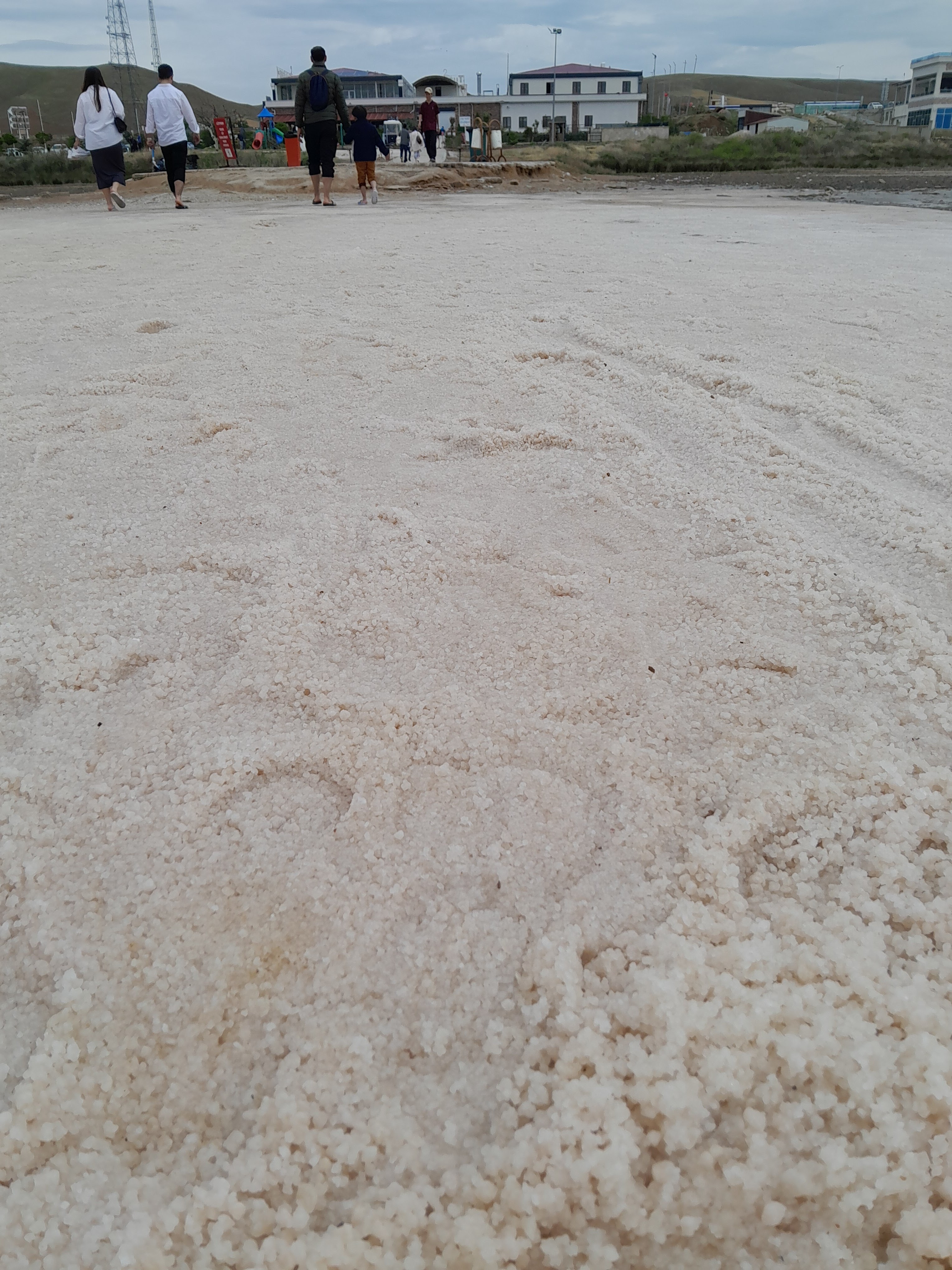
A rare natural wonder as one of the largest hypersaline lakes in the world, Tuz Lake is a super cool stop to add on your Central Anatolian road trip! It was rumored to have completely dried up back in 2021 but as of our visit in late May 2024, I can confirm that the water is back. It was only about ankle deep and I felt like I could walk across the entire placid lake. It was so peaceful, the reflection on the water was like glass since it doesn’t have any waves. Access to the lake is free – just park in the parking lot and walk through the kitschy souvenir shop/rest stop to get to the beach. You can purchase all sorts of products containing salt from the lake, and even harvest some salt from the lake as long as you bring your own bag. We saw people scooping up the salt on the beach to take home! The salt is chunky with a slight pink hue, like Himalayan salt.
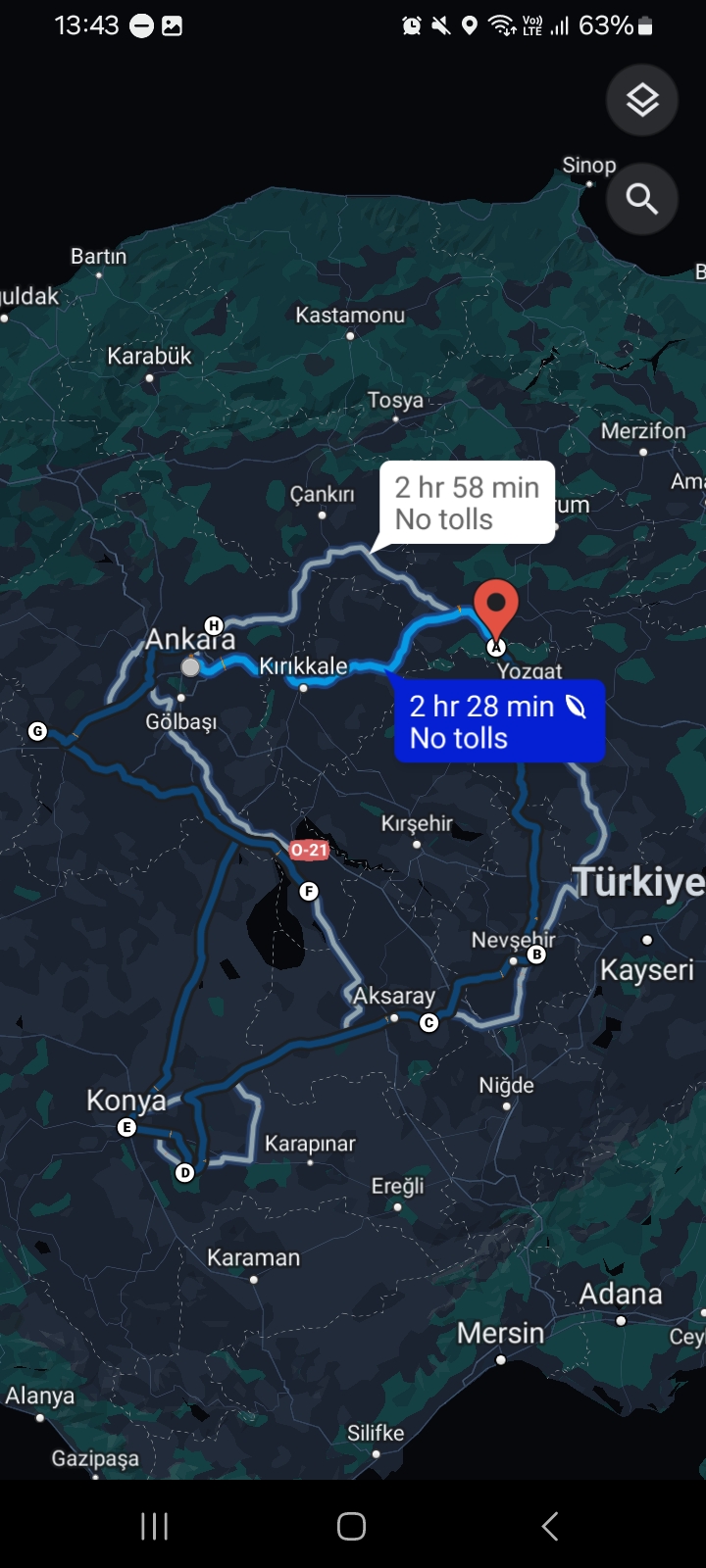
And voila! That was our super duper Central Anatolian road trip 🙂 I hope it will inspire you to plan your own dream road trip of a lifetime in Turkey – Happy Travels!

 Live And Love Your Life!