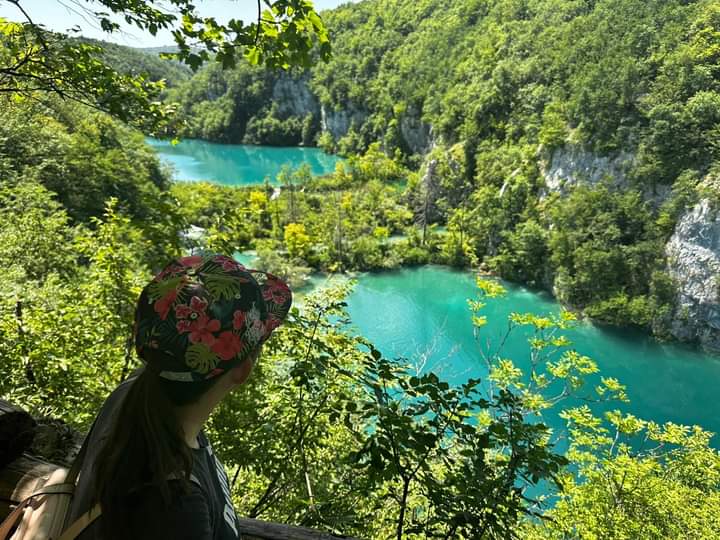
“Guilt is like a bag of f***in’ bricks… All you gotta do is set it down.” Al Pacino said soothingly to Keanu Reeves in one of my favorite movie ever, The Devil’s Advocate. And it’s so true!! Moms have to live with so much guilt. We’re constantly made to wonder if we’re doing enough for our kids, by our friends, families, and even strangers. Working moms feel like they’re not spending enough time with their children. Stay-at-home moms feel like they’re not living up to their full potential somehow, and are often denigrated by society because they’re not in the paid work force. It can feel like an endless catch 22 – damned if you do, damned if you don’t. But what good is it living with all this guilt? Just let it all go, I say! We’re constantly doing something for someone else, and often neglect ourselves. And taking solo trips can definitely be one of those precious self-care moments – a time to unplug and rest, rejuvenate and recover so we can be the best wife, mother, ourselves.
I used to take solo trips quite often throughout my 20’s and early 30’s, but once I got married and had a child, of course I became solely focused on family vacations and couple’s trips. But this past July (2024), my husband took our son to my mother-in-law’s house to drop him off there for the summer and I had 4 days by myself at home. I was pondering what to do with this rare luxury of alone time – I could stay home and be bored or. . . I could take a solo trip somewhere! I searched for the cheapest and the quickest getaway from my current home base of Istanbul, Turkey, and decided to book a last-minute trip to Bucharest, Romania. At around $50/night for a mid-range hotel within walking distance to the city center and $100 for a roundtrip plane ticket, it was too good of a deal to say ‘no’ to.
I have to admit, my knowledge of Romania was minimal at best. I had a Romanian classmate in high school growing up in the U.S., and I vaguely recall him saying that things in his country were bad. And during my child psychology class in college, I learned about the dire conditions of neglect in Romanian orphanages and how it caused severe developmental issues in the children there. On top of that, Hollywood depictions of Romania is always about the land of the fictional character “Dracula” or the real life historical figure of Vlad the Impaler. So all of my previous impressions about Romania were pretty grim, to say the least.
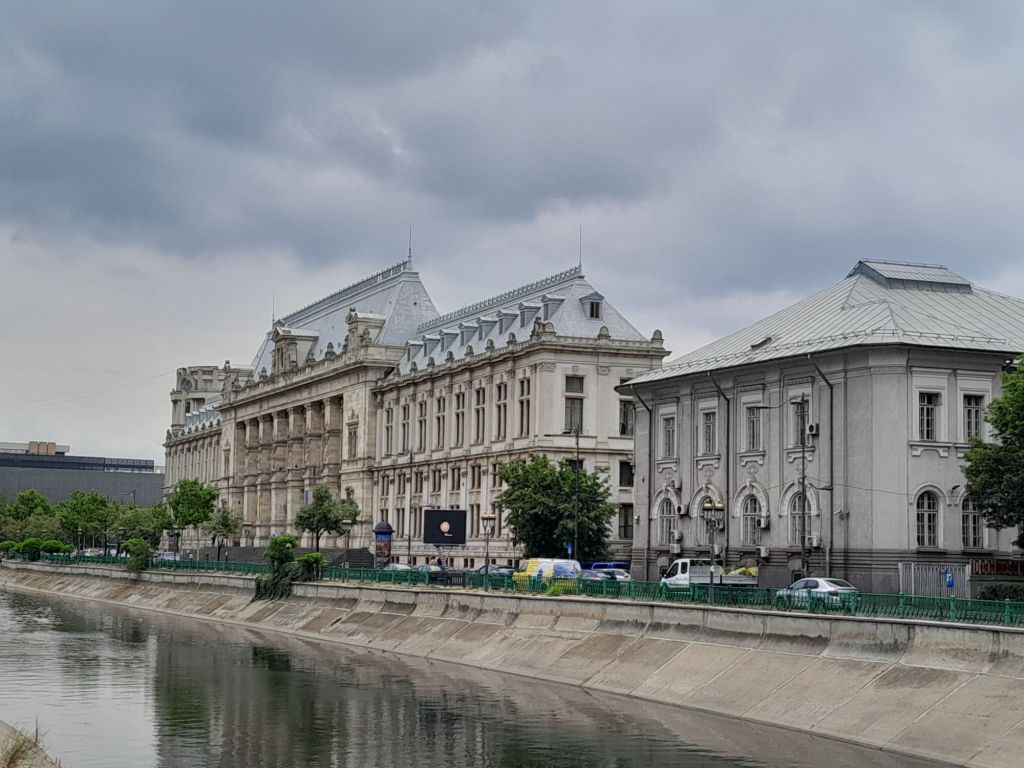
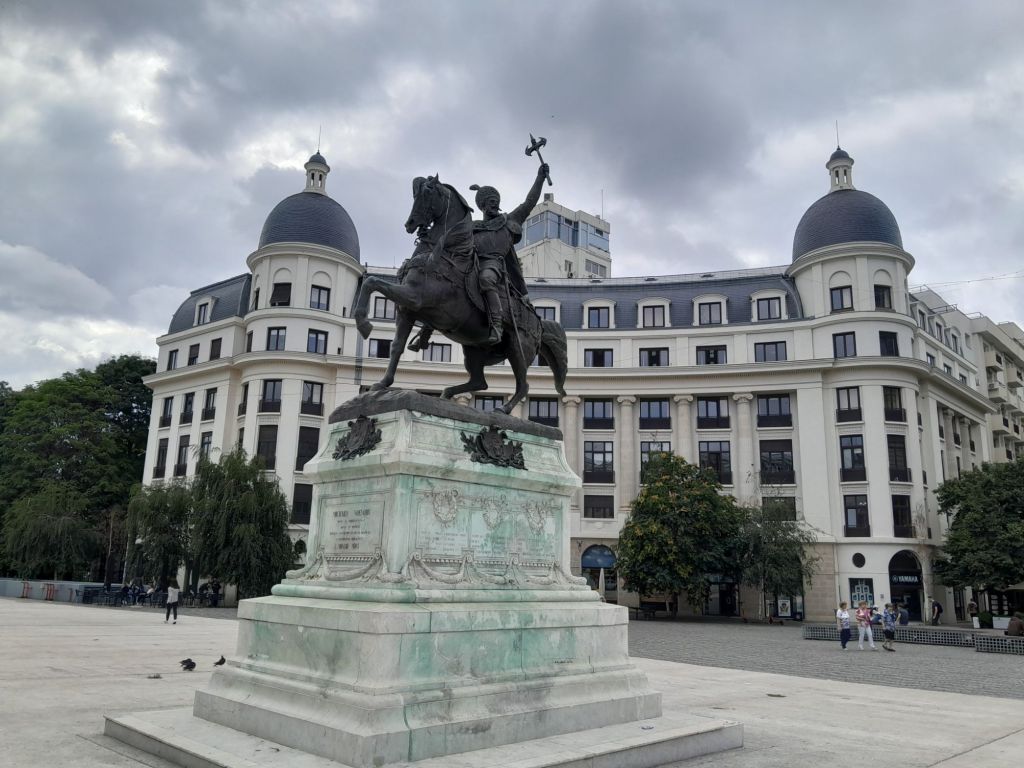
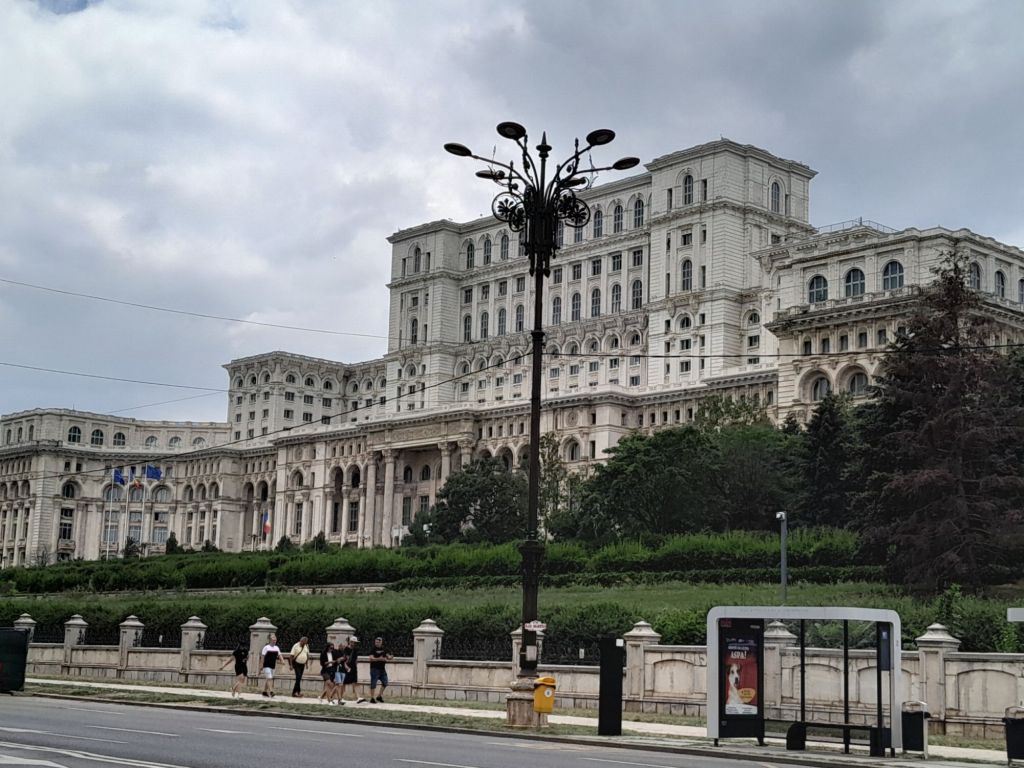
So imagine my surprise when I learned that Bucharest used to be called “the little Paris of the East” for its beautiful architecture. Also it’s famous for the largest building in Europe, the gargantuan Palace of the Parliament building built during the reign of the notorious dictator, Nicolae Ceausescu (in the 1980s). Furthermore, it’s now one of the fastest growing European cities since Romania joined the EU in 2007.
My first impression of the city was that it had pretty good infrastructure. From the airport, you can easily hop on a train into downtown Bucharest, which cost a mere $1.19 charged to my American credit card and only a 30 minute ride. From there, you can walk or take the metro to get around. And you can use the touchless feature of your credit card to get into the metro station turnstile without the hassle of purchasing a separate ticket. It was only 65 cents per ride!! Amazingly cheap and convenient. I didn’t even have to exchange any money right away because most places took credit cards. But I did bring a small amount of Euros to exchange to the local currency later, the Romanian Leu, just in case (it’s always a good idea to have a little cash for tips, snacks, etc). I think everyone should visit Romania before it joins the Eurozone though, because prices will definitely go up once it does. Look at what happened to Croatia! (See my article on that topic here). Eating at restaurants were really affordable also – expect to pay between $10 to $15 per person at sit down restaurants. Small tips (10%) for good service are typical in the Romanian culture and highly appreciated by the restaurant staff.
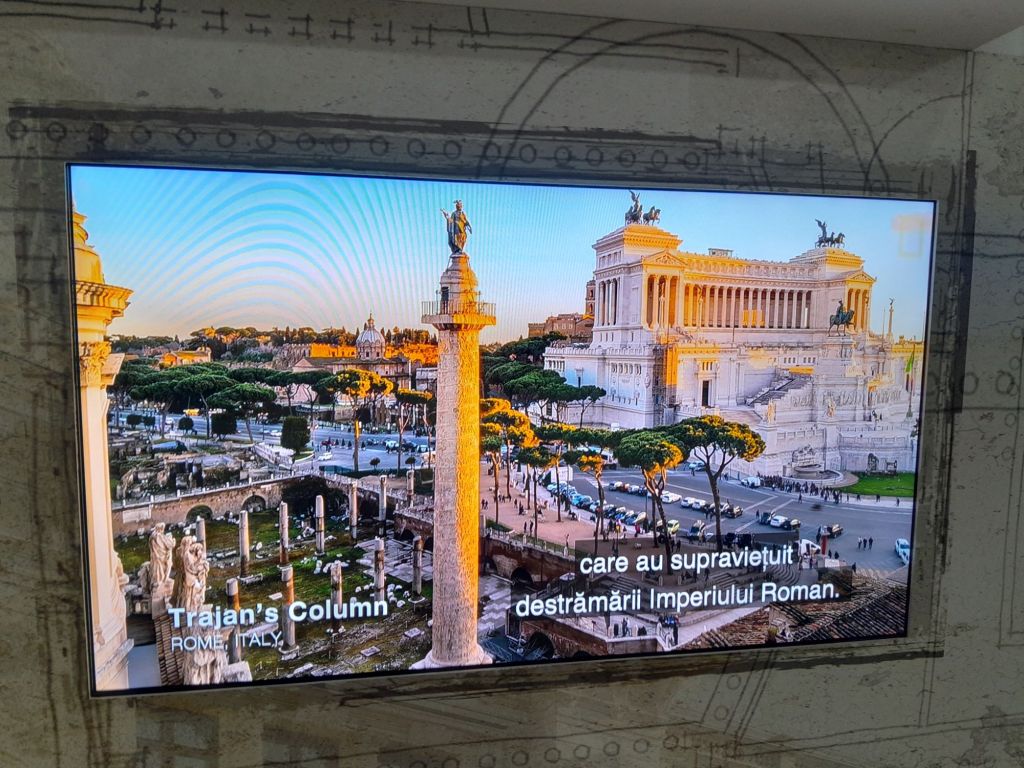
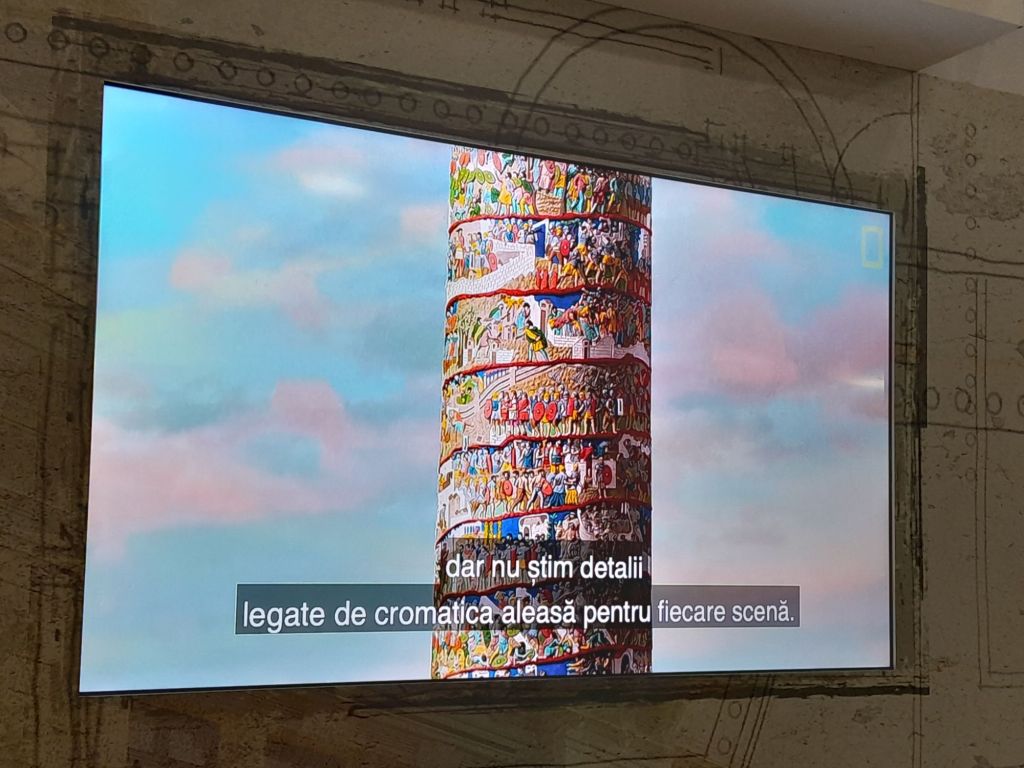
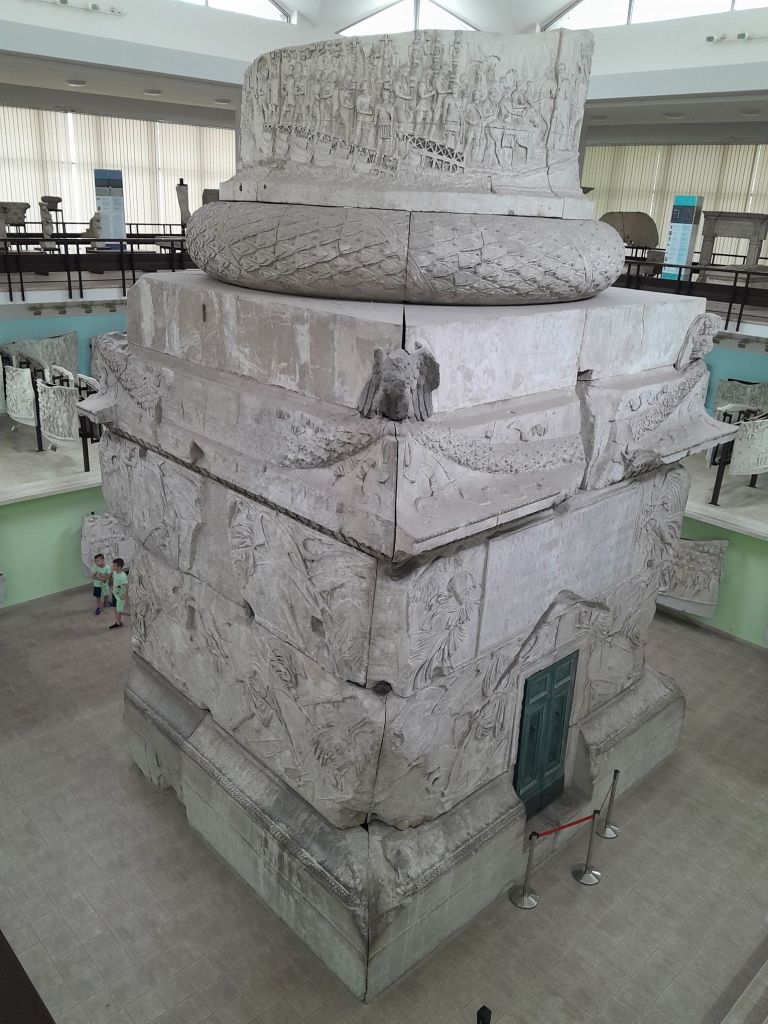
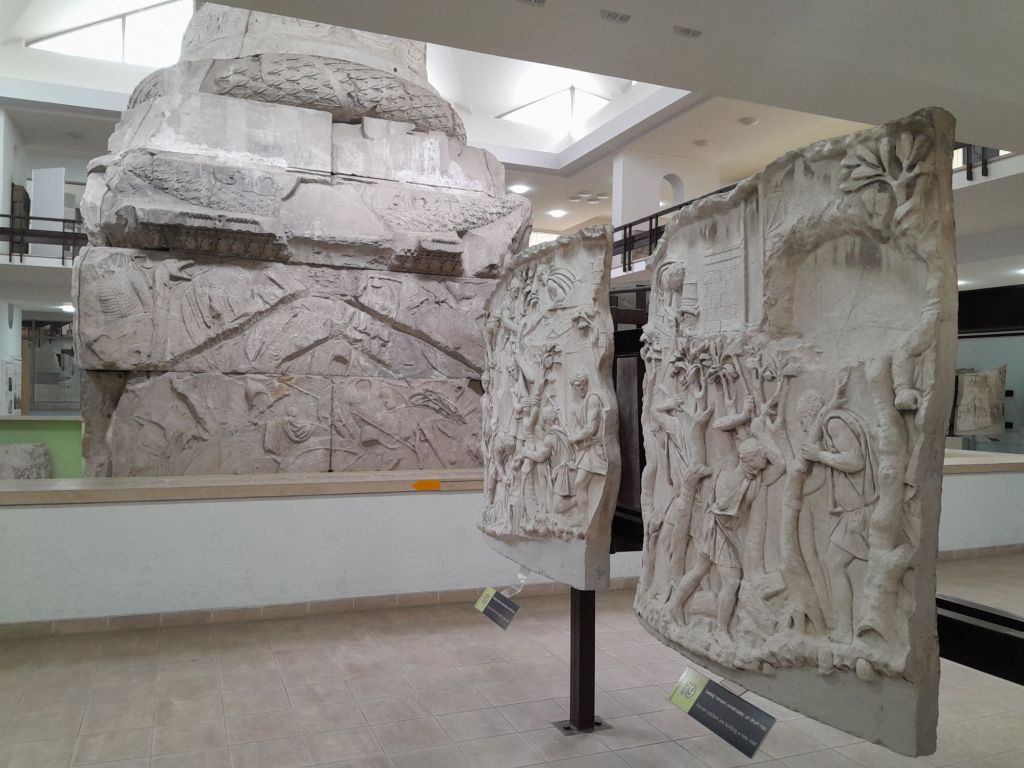
Another surprising fact I learned about Romania is that their language is actually classified as a Romance language, stemming from the Roman conquest of Dacia (ancient name for Romania) in 106 AD. Scene-by-scene details from the Dacian Wars were meticulously recorded in Trajan’s Column in Rome, which I happened to pass by earlier this year when I was in there. I couldn’t get very close to get a good look at it because it was fenced off. However, when I visited the National History Museum in Bucharest, I was delighted to find that they have a life-size replica of this column displayed there, as well as the plaster models of each of the scenes depicted on the column. It was thoroughly impressive – the sheer size and detail of the replica and each of the plaster models depicting Dacians, Romans, their struggles, battles, grief, despair, etc. were very moving. These types of victory columns are quite common in the Roman (and Roman influenced) world but I’ve never seen one replicated in so much detail.
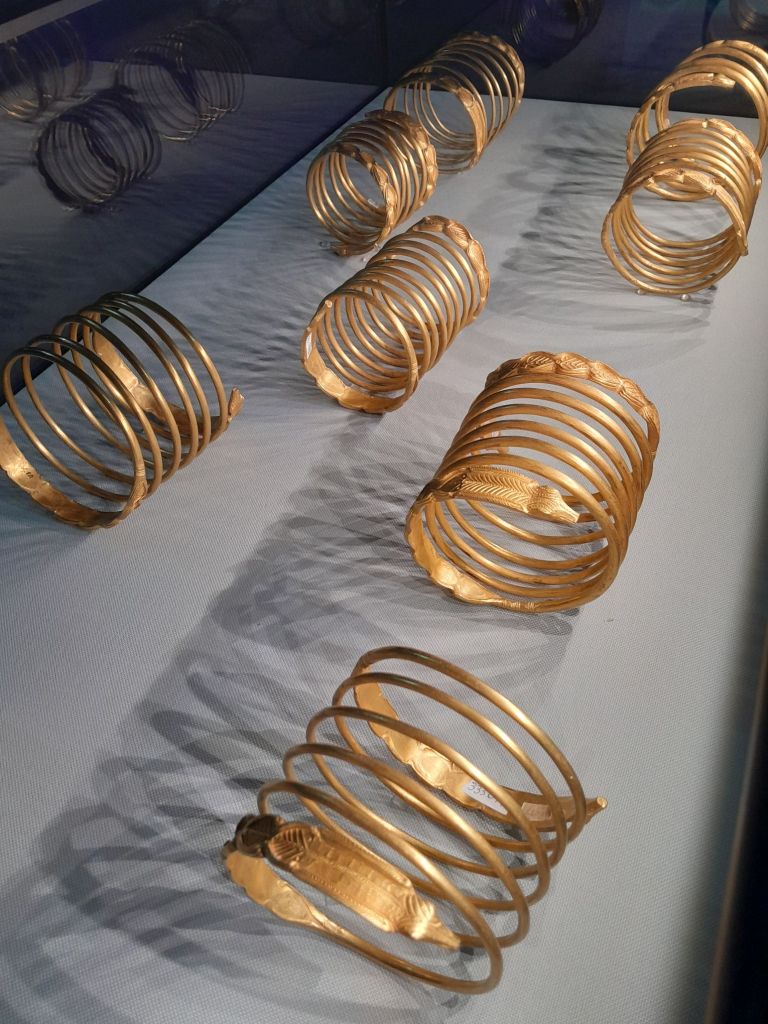
What did the Romans want in Dacia? Apparently Romania still has the largest gold mines in Europe and it was known even back then for its rich mineral deposits. It was very surprising that Romania is still considered one of the poorest countries in Europe, given its abundant natural resources. The treasury section of Bucharest’s National History Museum was also stunning in the sheer amount of gold used in the ancient artifacts. I’ve never seen anything like it! And I have been to numerous museums around the world since history and archaeology are two of my top interests when visiting different countries.
I did two free walking tours of Bucharest and they were very informative. They were tip-based, meaning you can choose to tip however much you want at the end. The first one I did was much better than the second one because the latter crammed way too many people into the tour (there were like 50 people!), and waiting for all these people to take their water and bathroom breaks seemed like such a waste of precious sightseeing time. Try to choose smaller group tours whenever you can when choosing a walking tour.
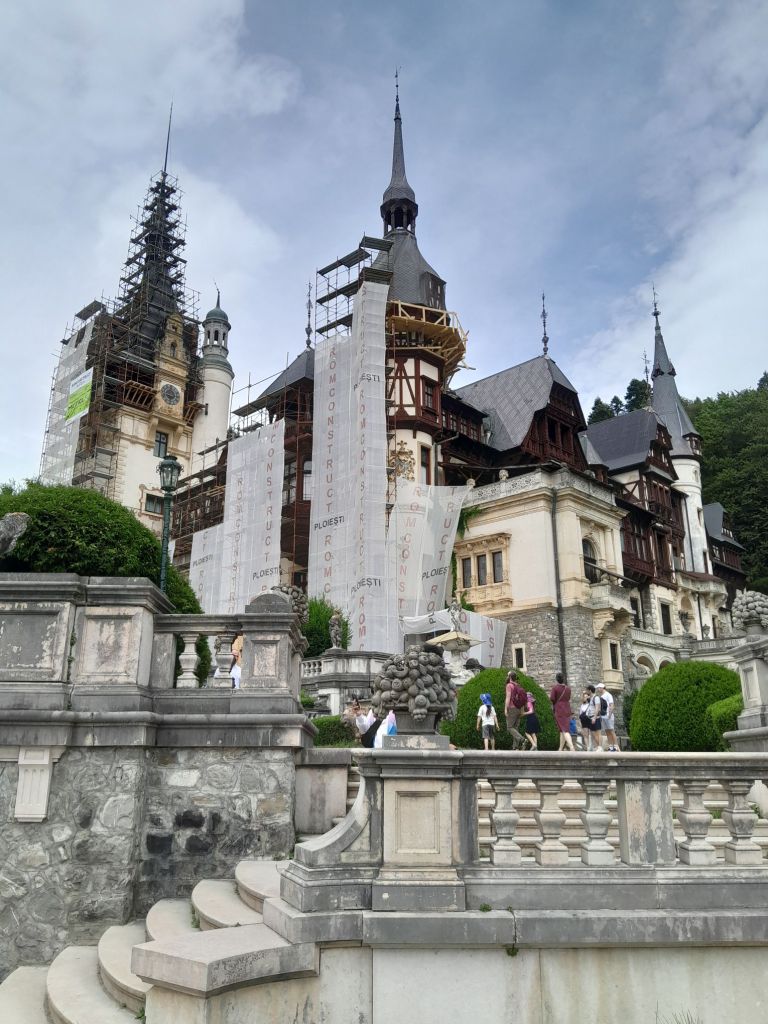
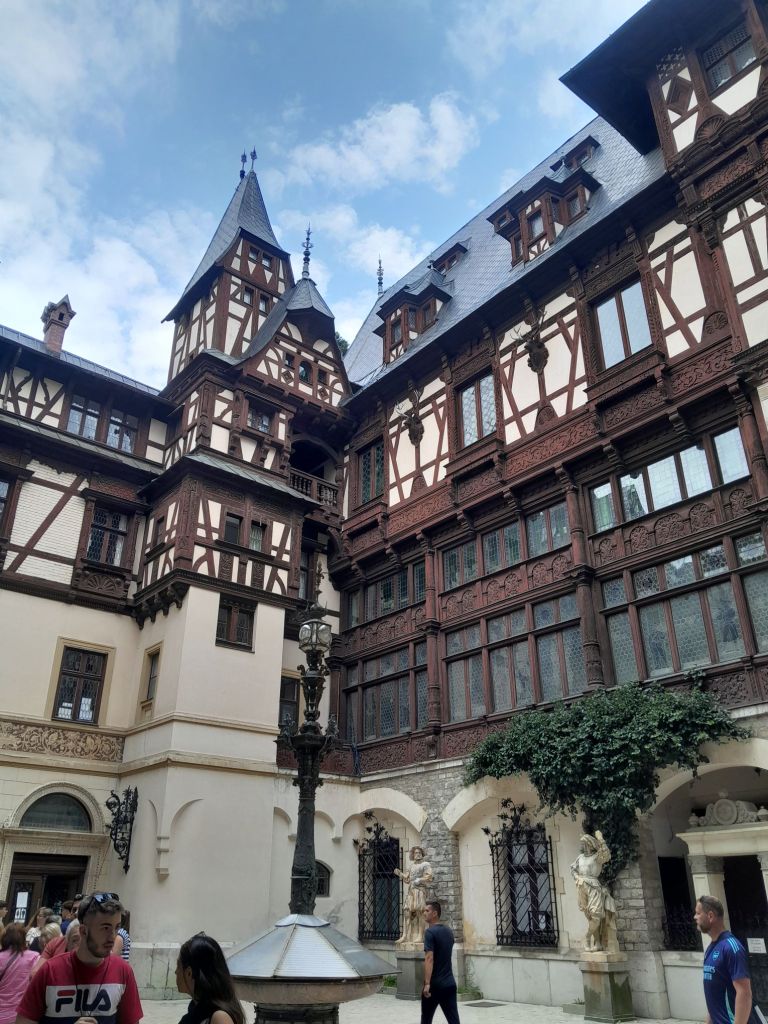
I also did a group tour that took me to Peles Castle, Brasov and Bran Castle because it was so cheap! It was a full-day bus tour that only cost $30 (castle admission fees and meals were not included of course). It was a fantastic value even though it was a lot of driving involved. Luckily, I sat next to another mom traveling solo and we talked the entire time we were on the bus – for over 12 hours! It really made the time fly by. She was a recent divorcee from America and her ex-husband had taken the kids for the summer so she was free to travel on her own. We talked a lot about parenting, traveling and about Greece because she had lived on a Greek island for many years before. Group tours are such a great way to meet other travelers (instant friends to make those long bus trips tolerable 🙂
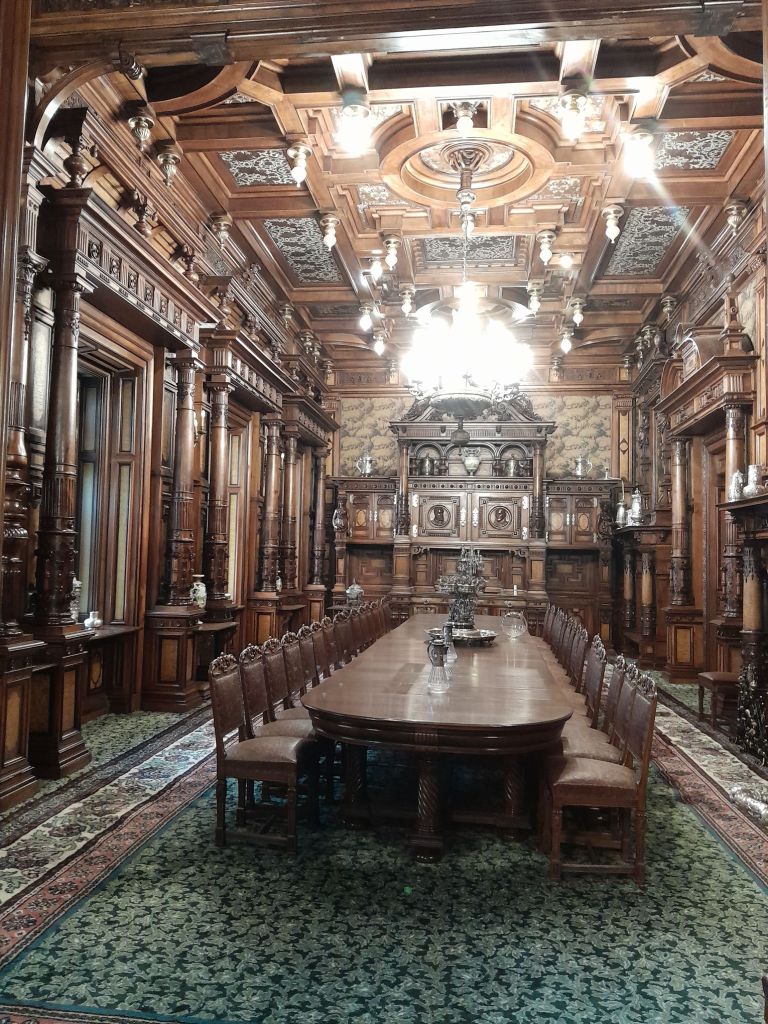
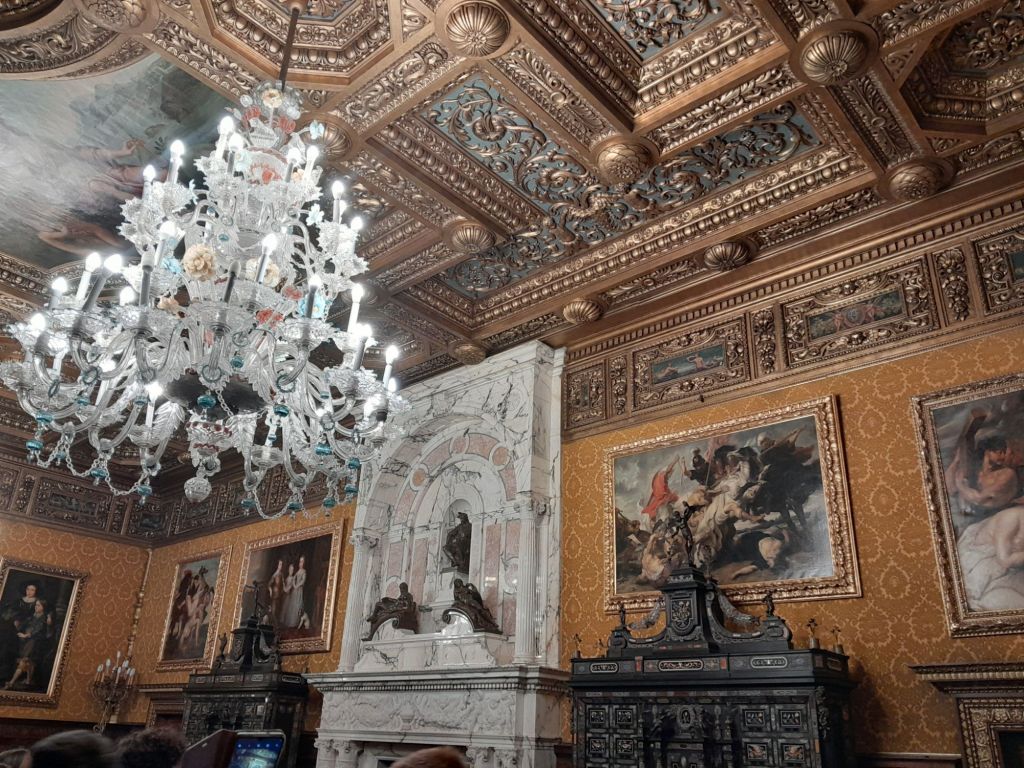
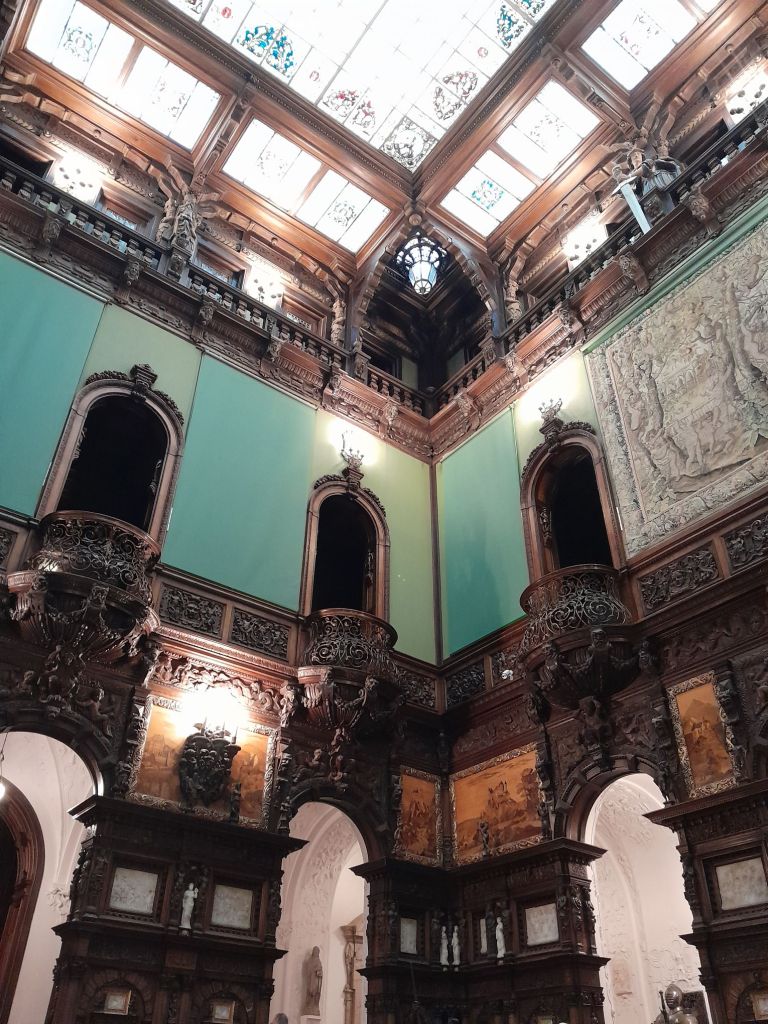
Our first stop was Peles Castle, which was built in the late 19th century for King Carol I, a German prince that the newly independent nation of Romania asked to be their king. I know, that sounds odd but it really happened! Romania was just released from centuries of Ottoman rule and wanted a European monarch to govern them. The newly crowned king of Romania built this luxurious palace in the Carpathian Mountains, which reminded him of his native Germany. The interior of this castle was quite breathtaking – the level of detail and craftmanship shown in every inch of this place was simply astounding. Another amazing thing that I learned was that everything inside, including decor and the furniture, are all original and custom built for this castle because it was never looted despite the Soviet occupation and mass famine during the Ceausescu era that followed. It shows the tremendous respect that the Romanians had for their royal family.

The tranquil mountain setting of Peles Castle was also wonderful to be in. There were little girls selling summer berries in cute homemade baskets outside, so I bought one and relished the fresh air and greenery while eating the best berries I ever had. The basket included these teeny tiny (wild?) strawberries which I had never seen anywhere before, and it had so much strawberry flavor packed into such a tiny berry. I couldn’t believe how delicious they were!
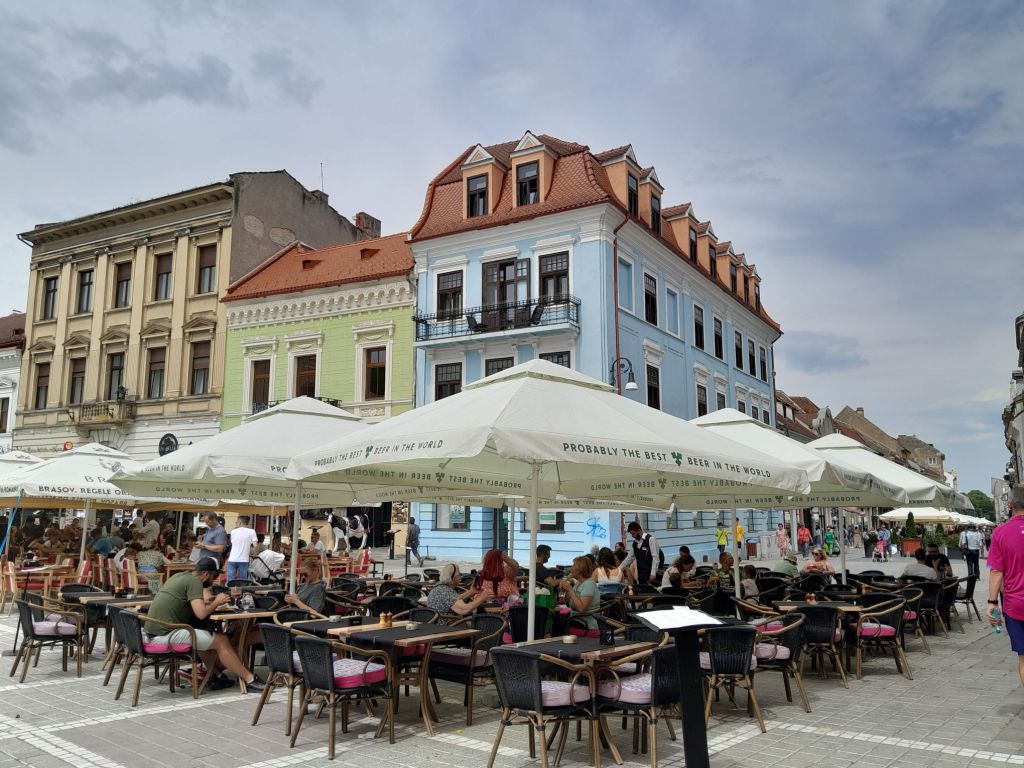
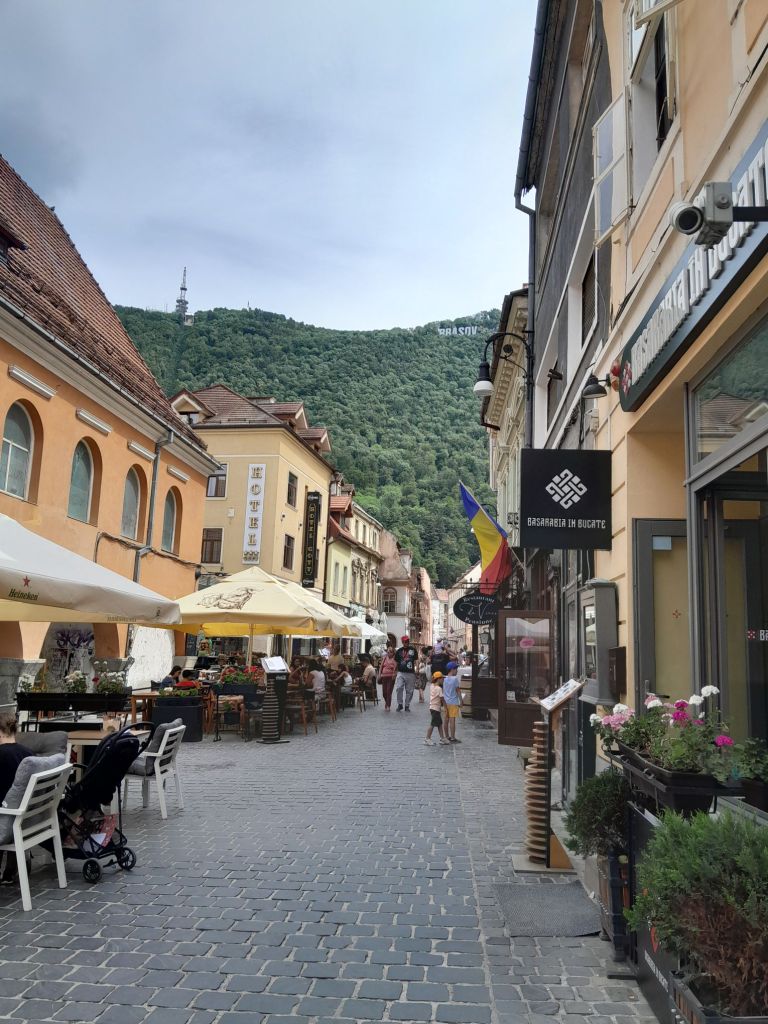
Then we were off to Brasov, an adorable little Transylvanian town settled by German craftsmen and merchants since the 13th century. The lovely historic town center was very well preserved, and it was a joy to walk around. First, I dipped into the local history museum to learn more about the town’s history. Then I walked into the town’s main landmark, The Black Church, and got an impromptu private tour of the interior of the church from a high school student who was volunteering there as a docent. She spoke excellent English and told me many interesting details about the history of this Gothic styled, originally a 14th century Catholic cathedral turned into a Lutheran church.
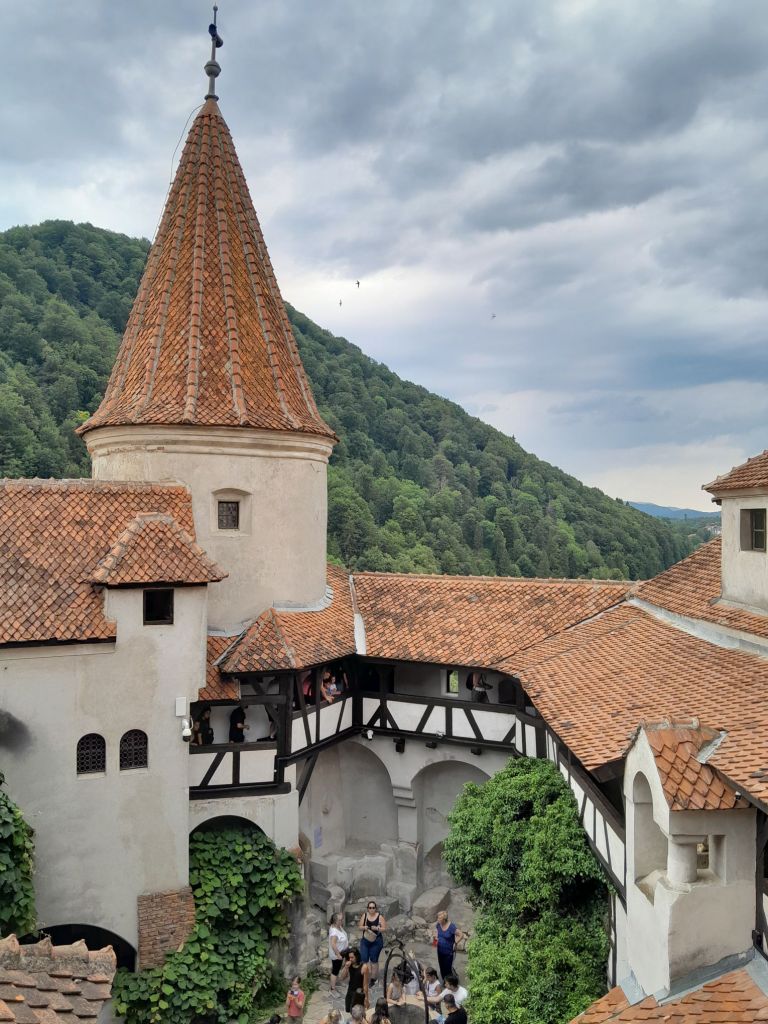
Our last stop was Bran Castle (often dubbed as the “Dracula Castle” for marketing purposes) and I found it to be less than impressive. The entrance fee was almost 17 bucks, which was higher than the Peles Castle, and it was pretty bare inside. It’s a cute medieval castle last used as a royal retreat for Queen Marie of Romania (the niece-in-law of King Carol I, whom I mentioned above) and by her daughter, Princess Ileana, until the communist regime seized it in 1948. Despite its name, it has no historical link to Vlad the Impaler of Wallachia or any clear association with the Transylvanian myth of the blood sucking creature, whom the Irish author Bram Stoker wrote a fictional novel about in the late 19th century. It’s just a marketing gimmick to call it the “Dracula Castle”, in order to draw people in and charge them more.
All in all, I very much enjoyed my short solo getaway to Romania. It was surprisingly easy to get around, safe, and affordable. The people I met were kind and spoke very good English. I saw many beautiful historic buildings being renovated and lots of improvements being made especially in Bucharest. I would like to visit in another 10 years and see how much everything has changed! I was happy for Romania that it finally obtained independence after being subject to nearly constant imperialistic ambitions of its neighbors (Roman, Austro-Hungarian, Ottoman, Soviet), plus an awful dictator that starved his own people. Things finally seem to be looking up for them – Romanian people have been through the wringer throughout their tumultuous history and it’s about time that they are able to govern themselves into a brighter future.

 Live And Love Your Life!