I remember some years ago a friend told me in passing that Montenegro is a very nice place to visit. I wasn’t really all that knowledgeable about Eastern European countries in general back then, so I wasn’t sure what to make of it. Then I kept seeing Montenegro being mentioned in different travel guides and magazines, and most recently when I was researching Mediterranean cruise itineraries last year. Many cruises were docking at Kotor Bay, Montenegro, and I thought to myself, ‘Wow, this place has become quite mainstream already’!
Even though some people may still associate the Balkans with the bloody civil war and ethnic cleansing that lasted from 1991-2001, it has now become a bona fide travelers’ haven. Croatia (since 2013) and Slovenia (since 2004) have long been part of the EU; and the rest of former Yugoslavian countries, Montenegro included, are poised to join in the near future. In fact, Montenegro already uses the Euro as its official currency. But prices of accommodations as well as dining out as of April 2025 were still very reasonable, even in Euros. You can easily find very clean and comfortable vacation rentals for 60-100 Euros per night (our gorgeous sea view studio in Kotor was 100 Euros and very spacious 1 bedroom apartment with balcony in Budva was 60 Euros). Food was around 10-12 Euros for a pizza for big enough for 2, a small pasta, etc. For meat or seafood dishes, it was around 15-20 Euros at sit-down restaurants.
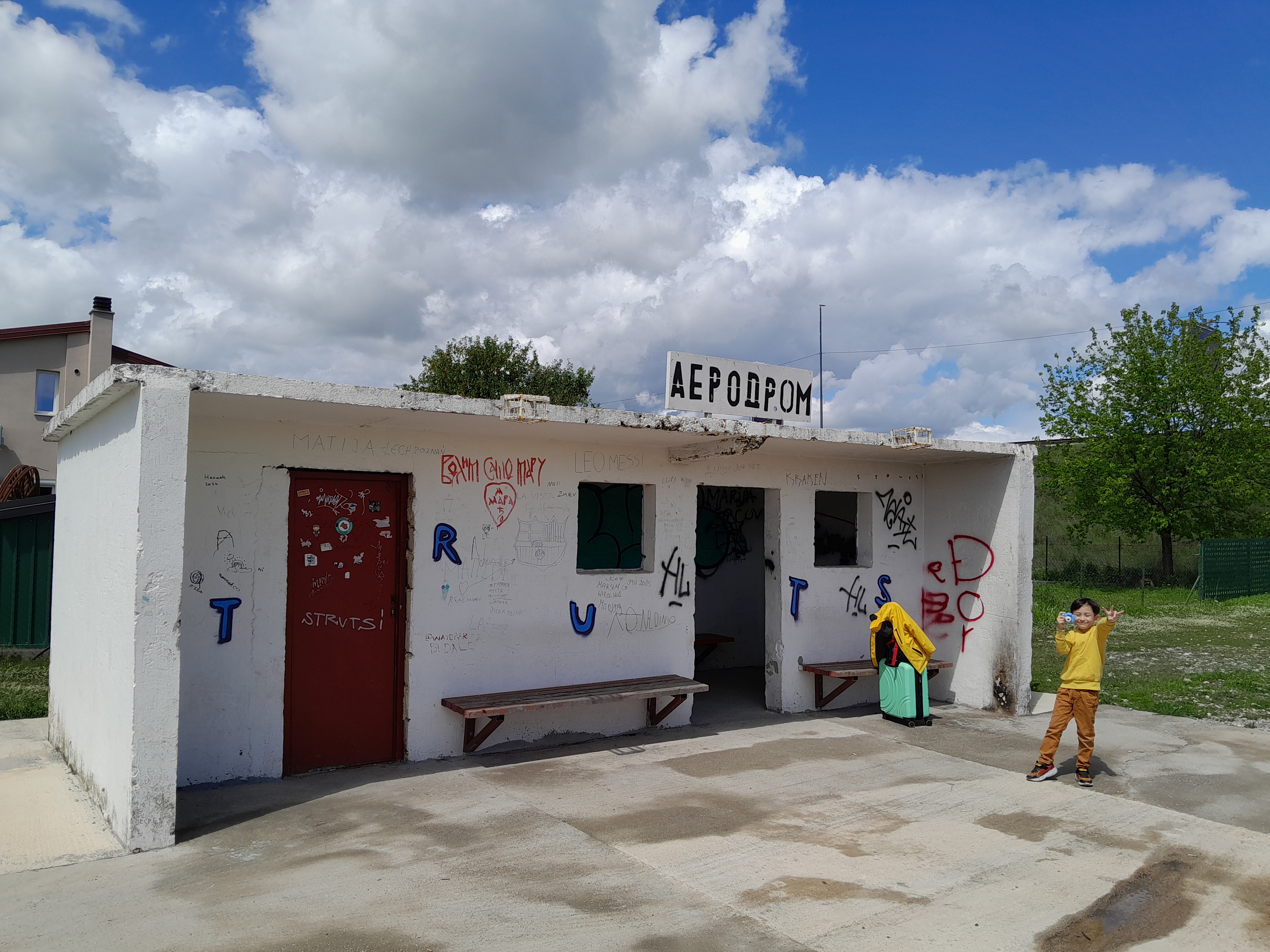
Yes, it can still be a little rough around the edges (just look at the airport train station above 🙂 but don’t let it scare you! It’s a perfectly safe and friendly country, filled with rugged mountains (over 70% of the country are mountainous) and incredible views of the Adriatic Sea along the coast. It is very small and compact so it’s easy to get around, with public transportation by bus and train available at a low cost. A lot of people like to rent a car and drive in from nearby Croatia for just a day trip, but my 6-year-old son and I had a lot of fun exploring this beautiful destination for a full week during spring break (late April) 2025.
Our adventures began at the Podgorica airport, where I decided to eschew the polite taxi drivers asking if we needed a ride to try out the short train ride that would get us into town. I had read that the station was a 20 minute walk west of the airport and it would only cost 1.20 Euro. We just had a small carry on luggage so it was worth it but if you have a lot to carry with you, just take a taxi (it should be about 15-20 Euros). The sidewalk disappears after awhile and it could be harrowing with a bunch of luggage! The train was a bit late but the conductor was very sweet and she didn’t even charge me for my son’s fare. It was only a 7 minute ride into the center of the country’s capital, Podgorica (pronounced “pod-go-rit-za”). From there, we took the bus straight to Kotor, the main attraction of the country. Make sure you book the bus tickets online well ahead of your travel date on websites like FlixBus because they do get sold out. Also another tip is to carry cash with you because the bus station will charge 2 Euros (1 Euro bus station fee and 1 Euro printing fee for printing your tickets out, as they require your tickets to be on paper), and the bus driver will charge 1 Euro per piece of luggage that you put into the trunk. You will also need small change to use the bathroom at some locations. But don’t worry about purchasing SIM cards or anything like that because they had Wi-Fi at every restaurant, cafe, and even at the bus stations.
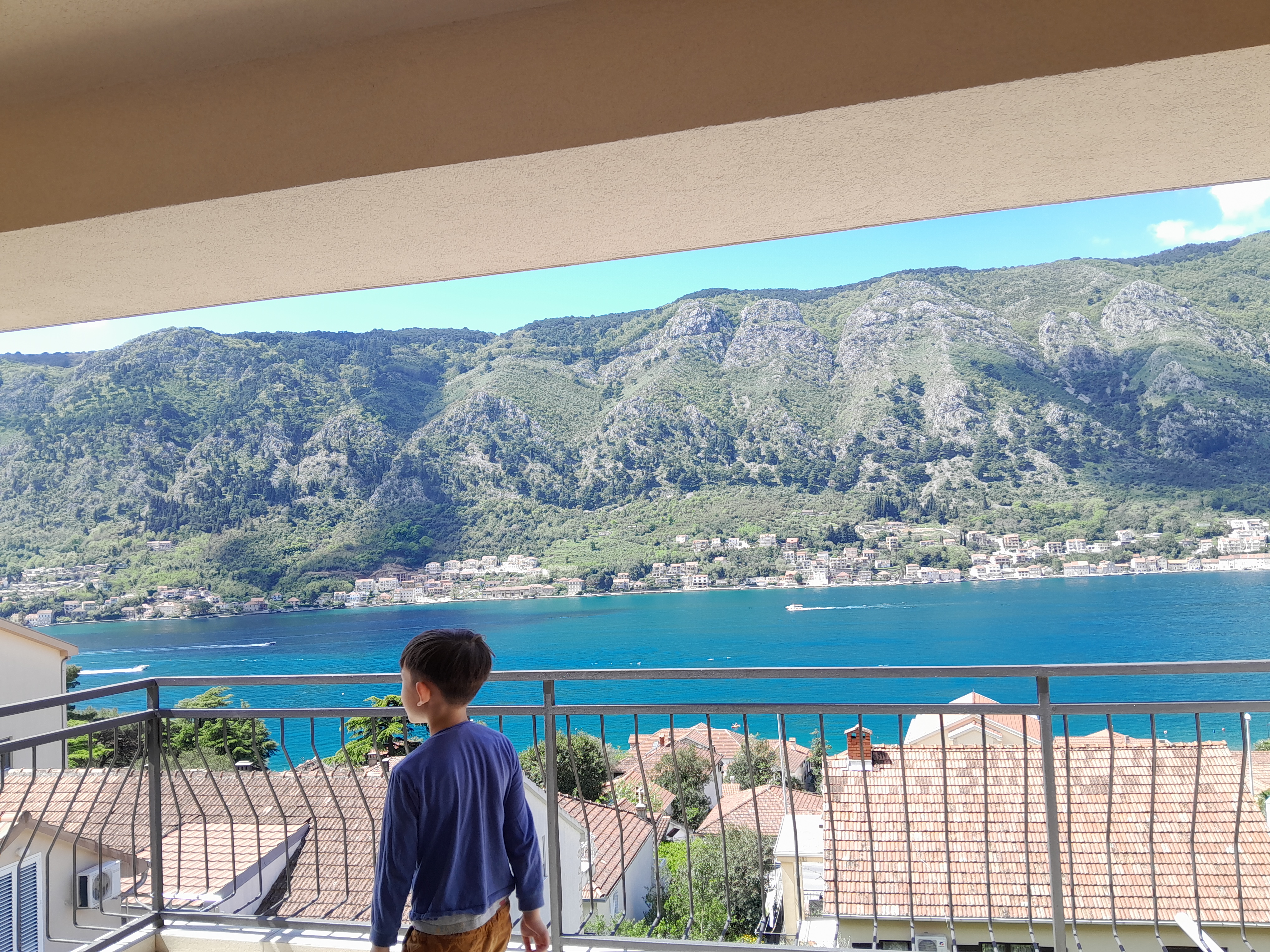
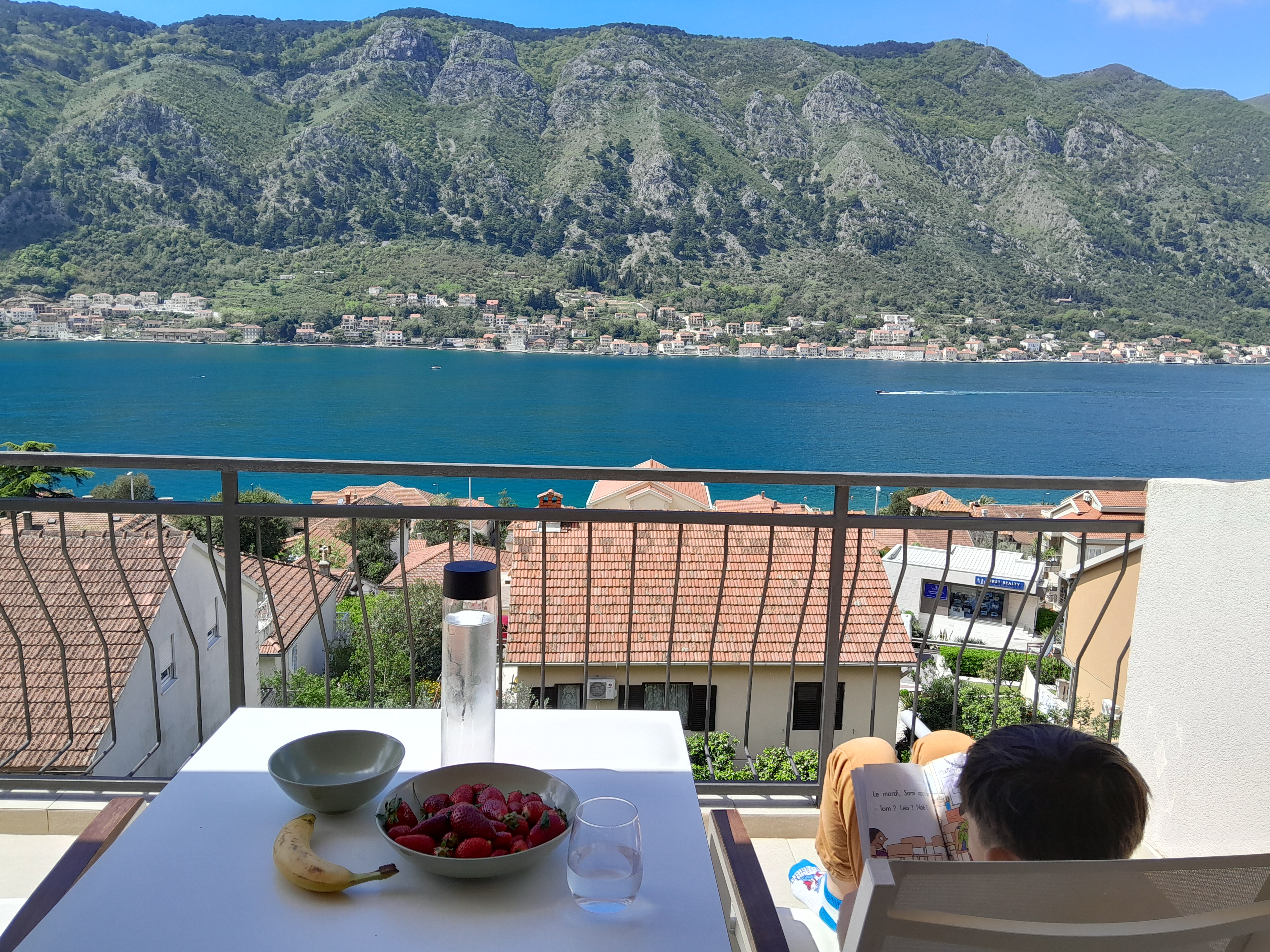
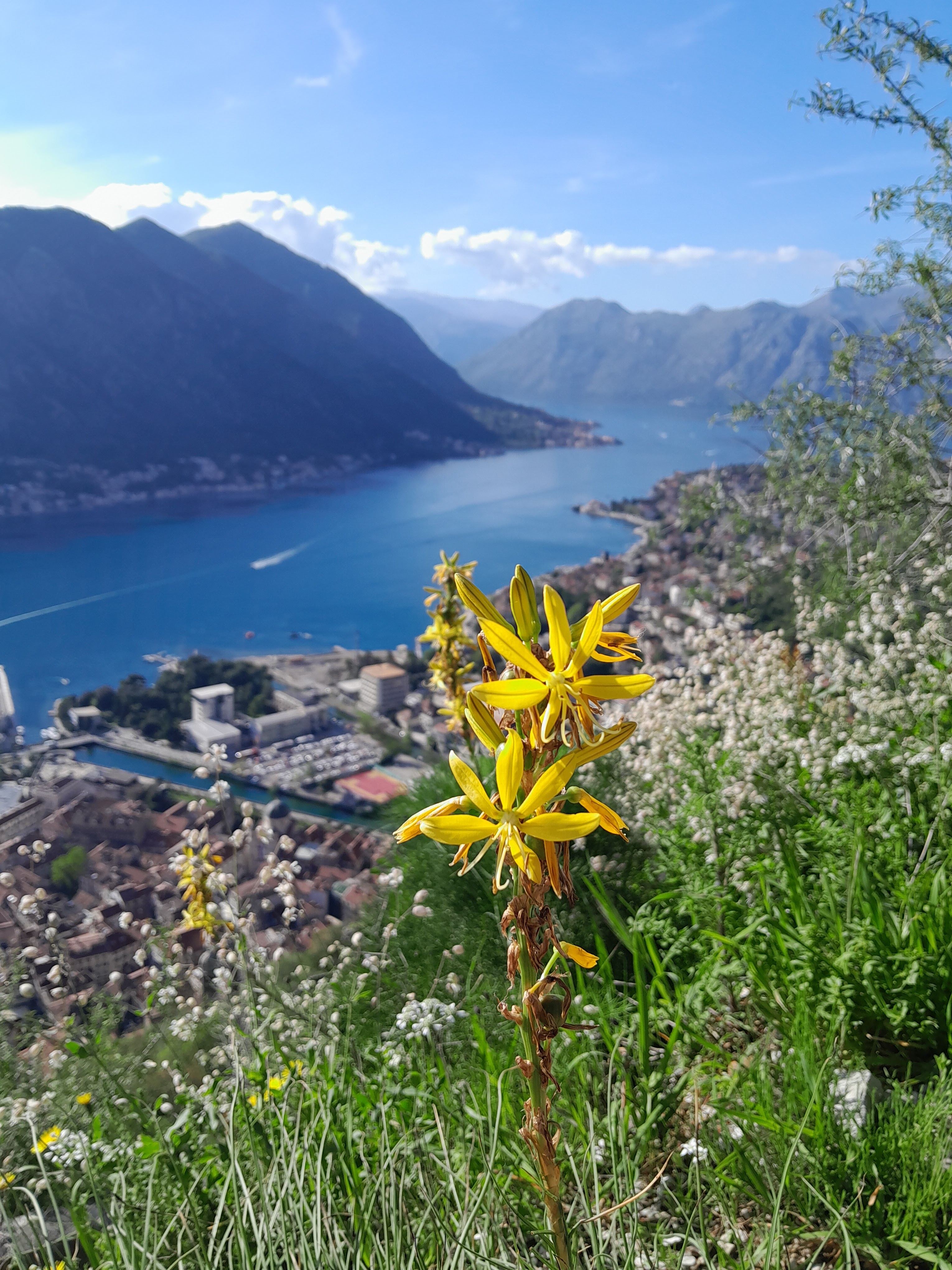
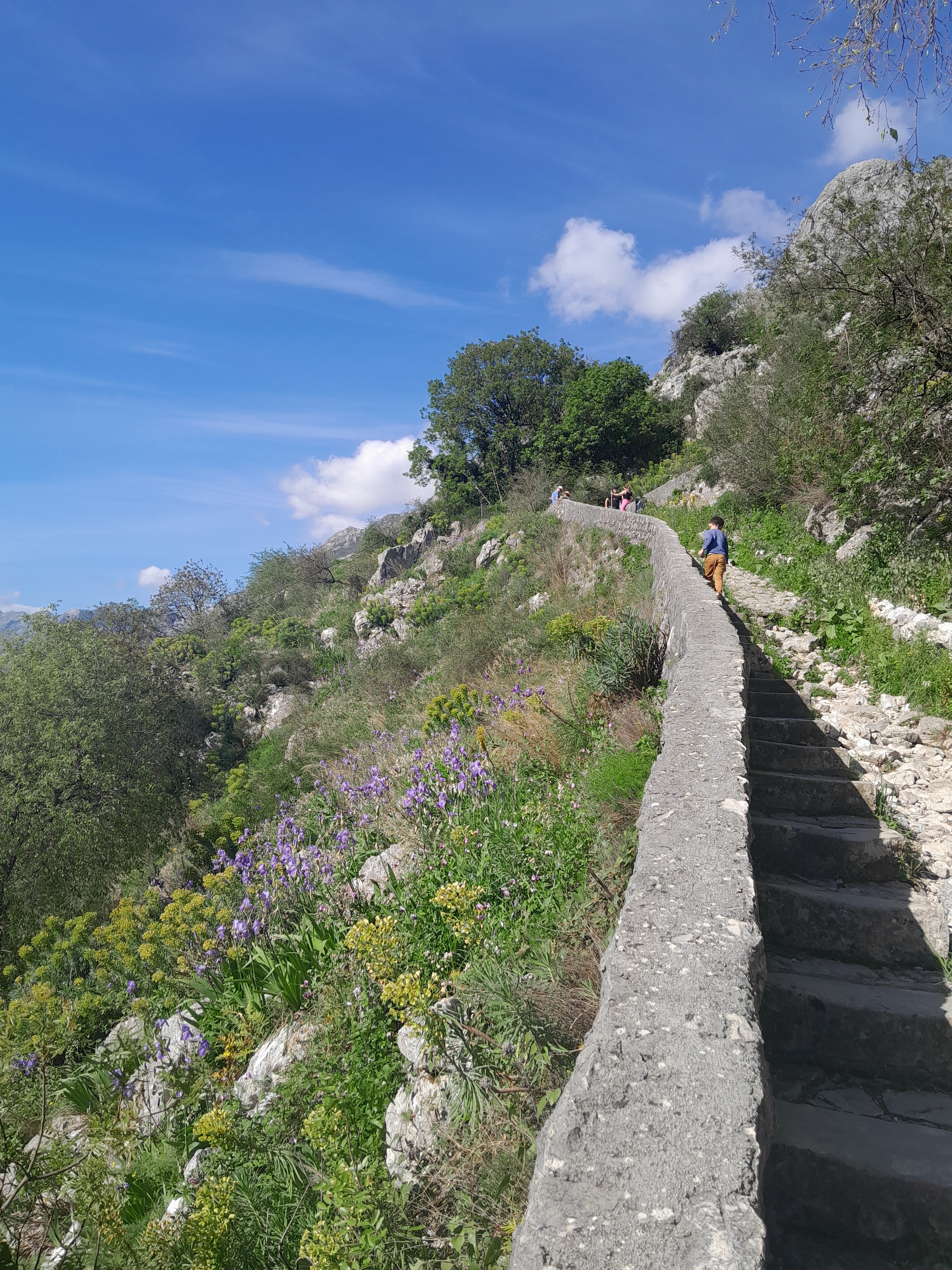
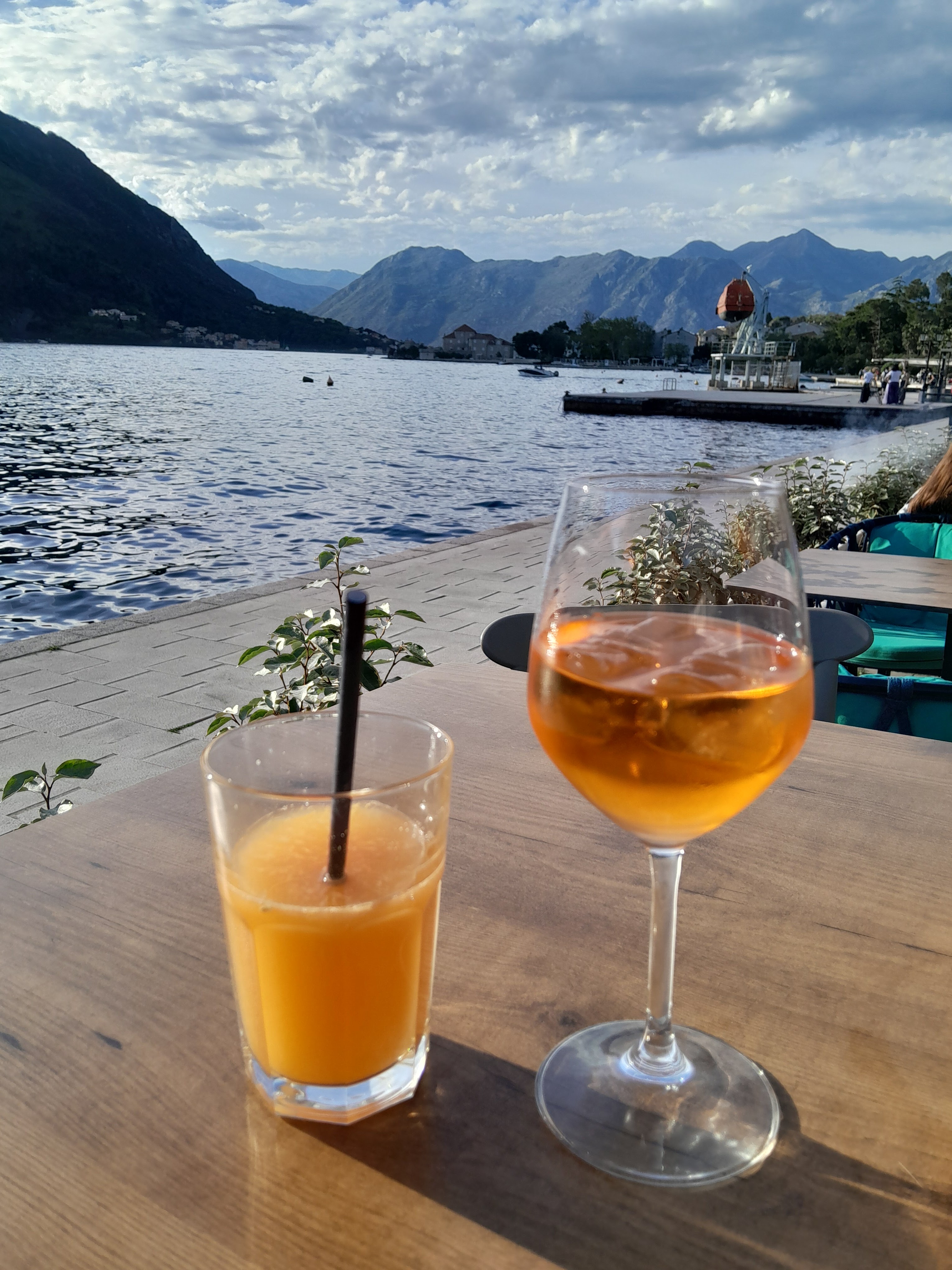
After a bumpy 3 hour ride (supposed to be 2 hours but there’s a lot of traffic due to ongoing roadwork), we arrived at the much anticipated seaside city of Kotor. It’s such a cute town, well deserving of its accolades as the “new it” destination on the Adriatic coast – it really exceeded my expectations in every way. We had booked an adorable studio apartment with a balcony overlooking the bay, the owner was so kind and she even picked us up from the bus station with her car. It was such a relaxing place to stay for 4 days, easily navigated on foot, with plenty of great restaurants to enjoy good food at reasonable prices. It has a well-preserved “Old Town”, mostly built during the Venetian occupation in the Middle Ages. Towering over the Old Town is St. John’s Fortress, which you can hike up its 1,300 steps for jaw-dropping views of the town and the bay. It is a pretty arduous hike so make sure you eat a good meal before, take water and sun protection, as well as setting aside at least 2-3 hours for this activity. The views will be absolutely worth the trek!
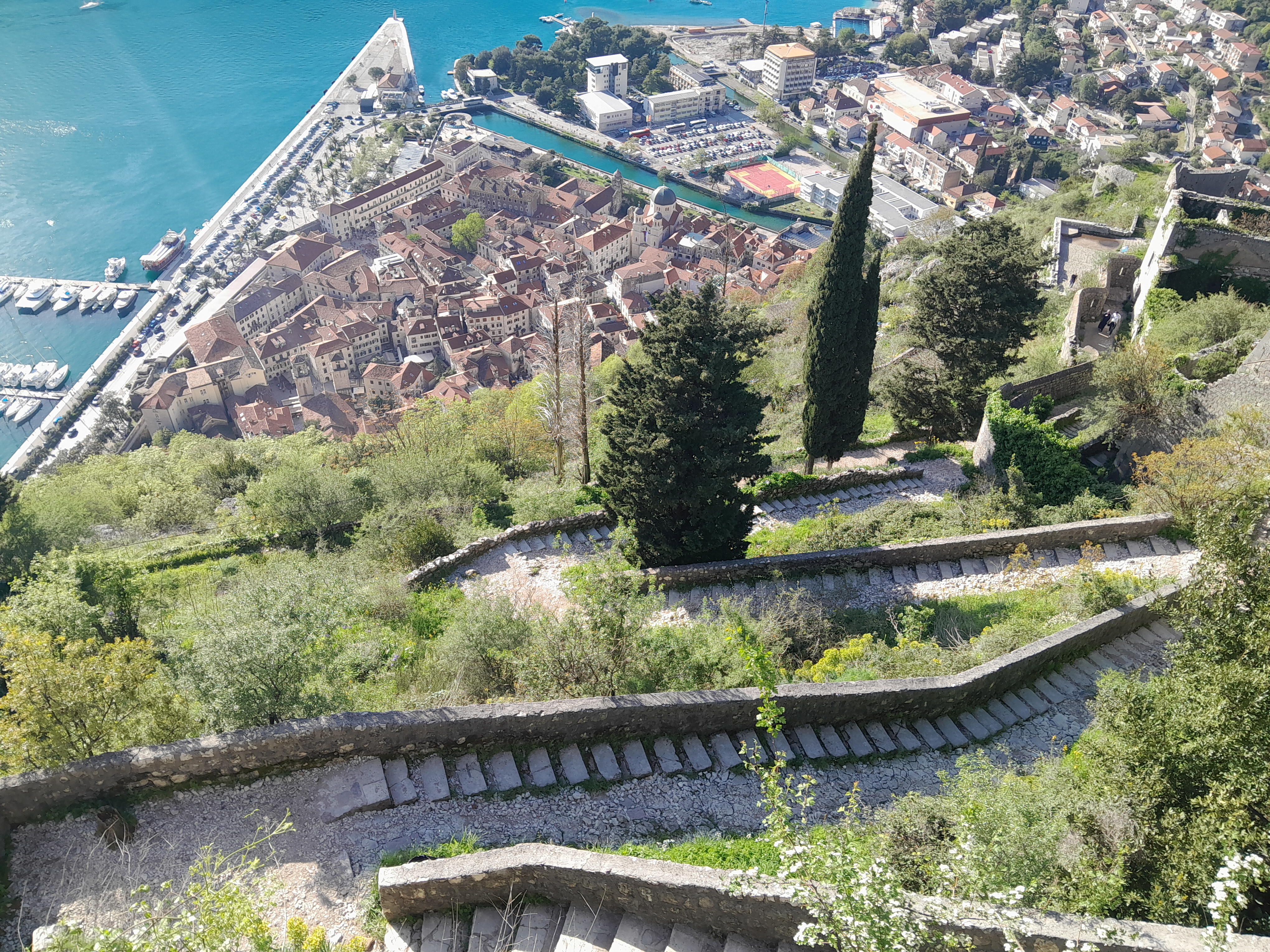
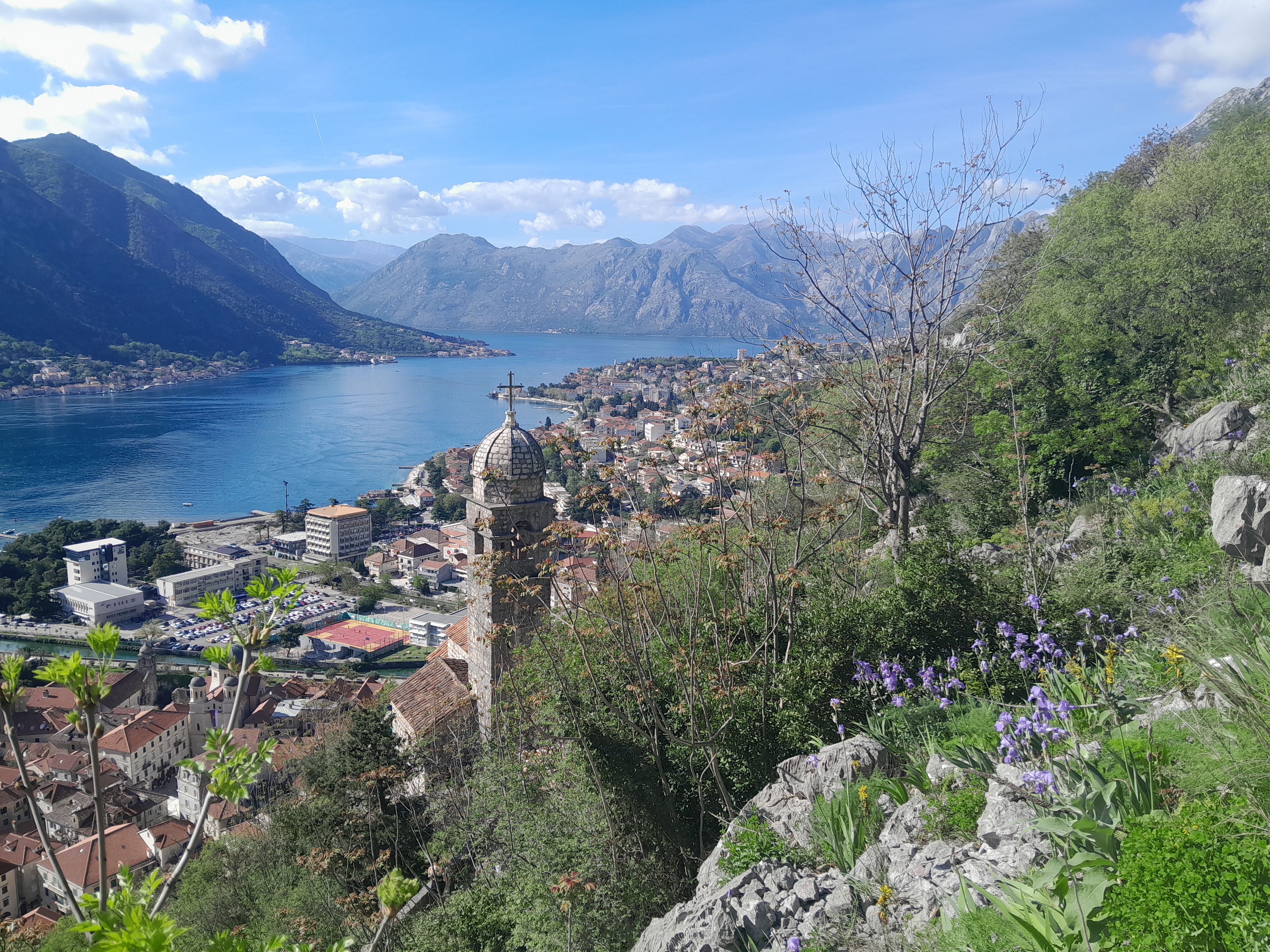
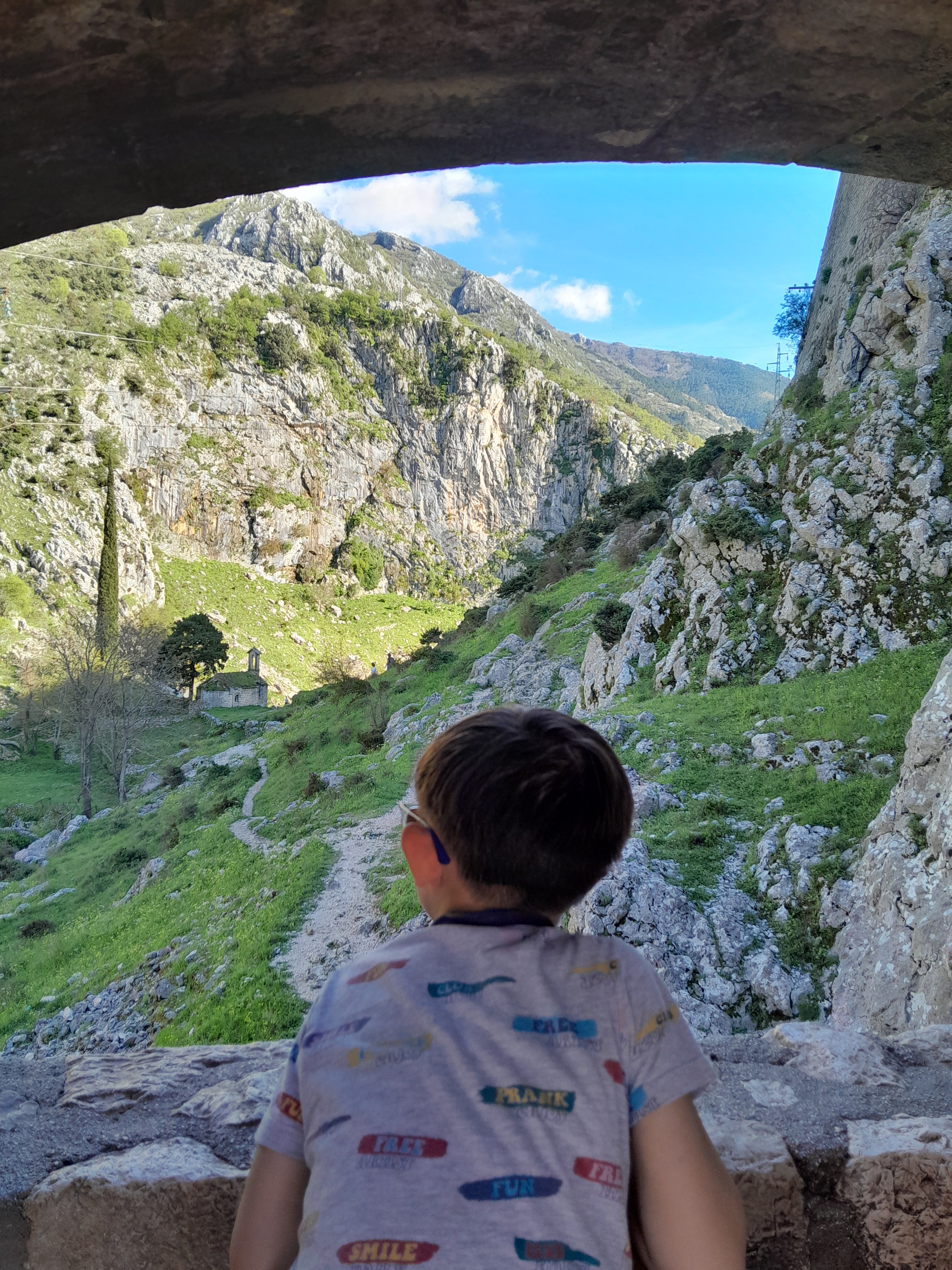
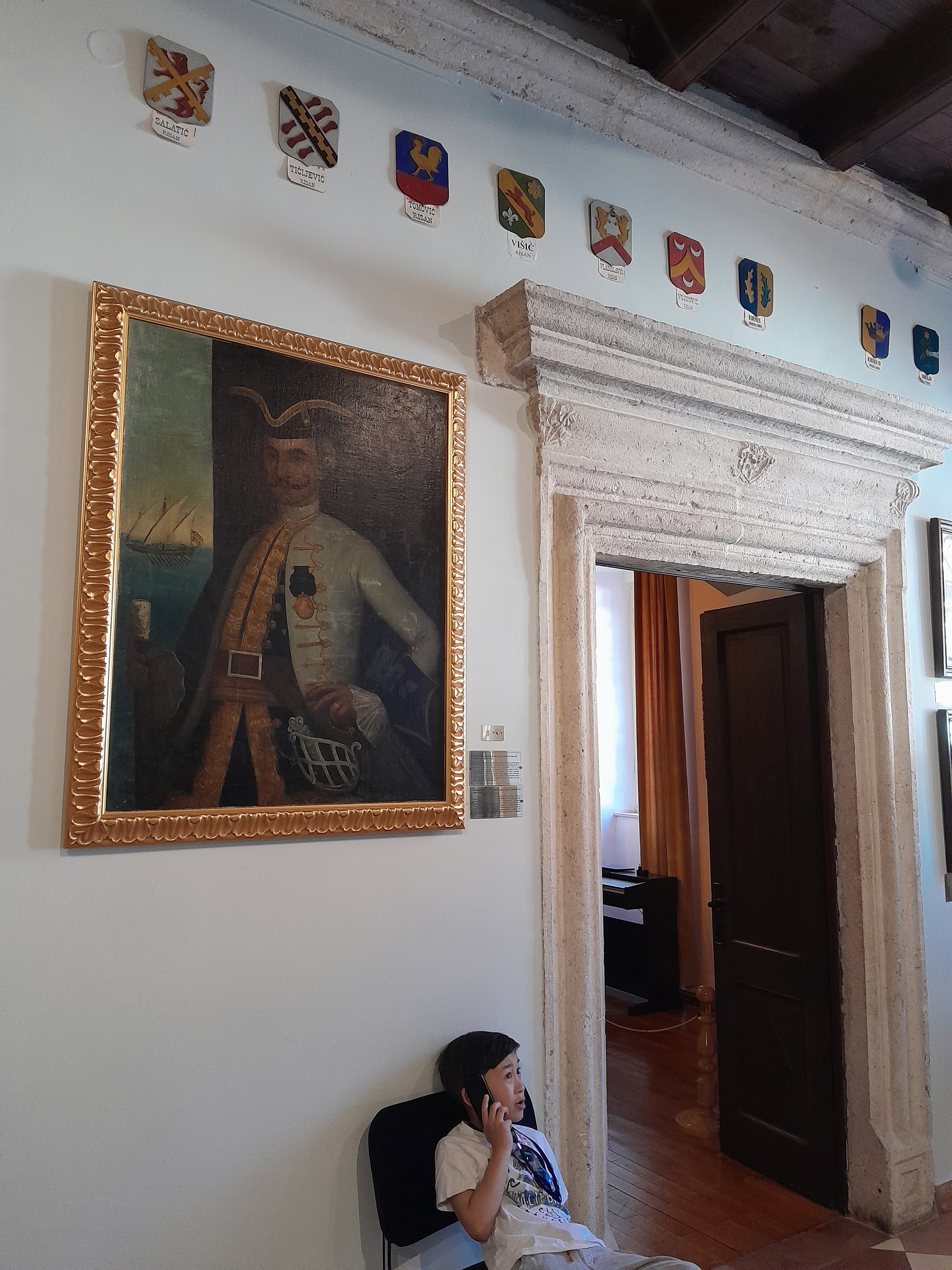
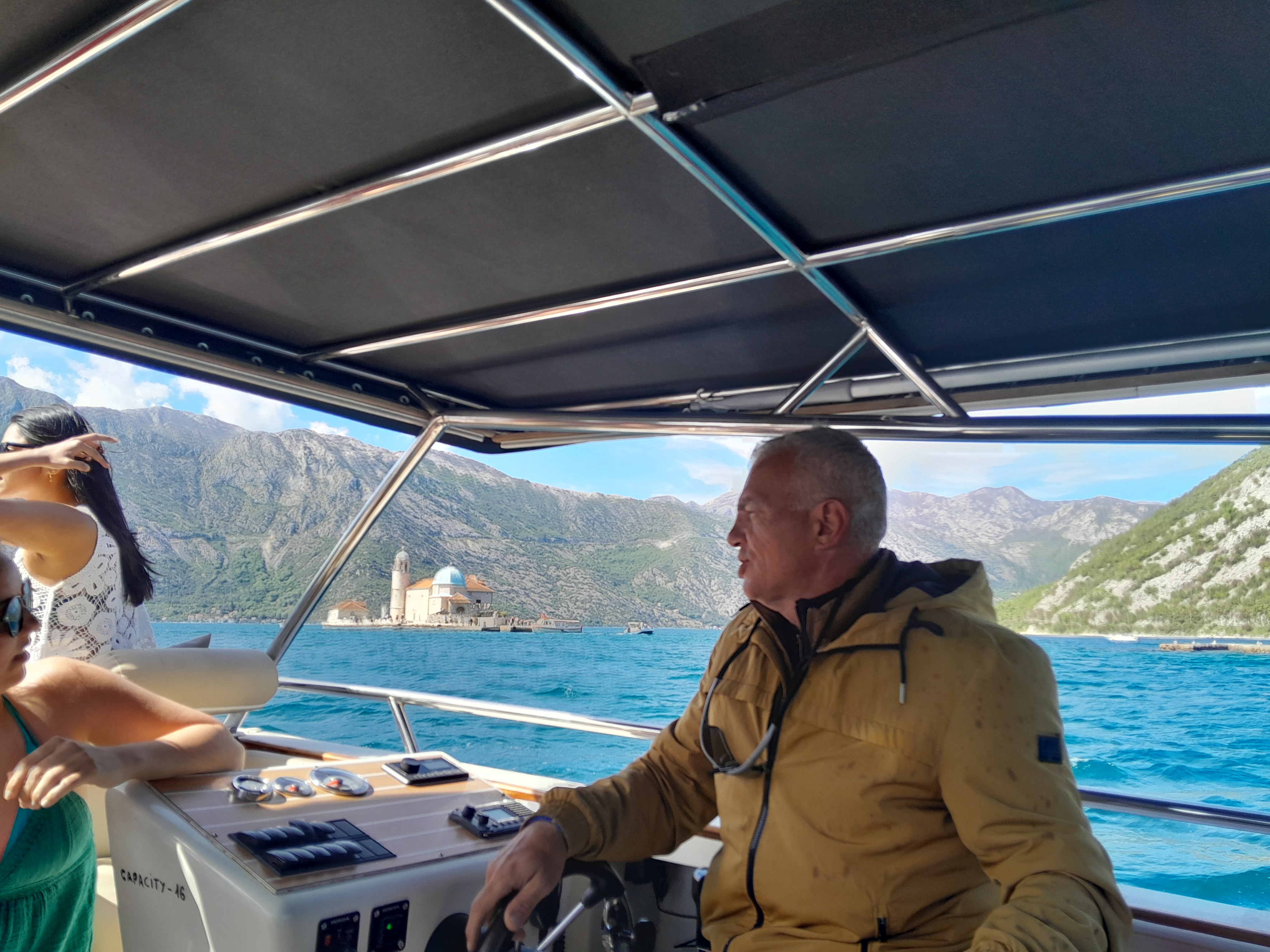
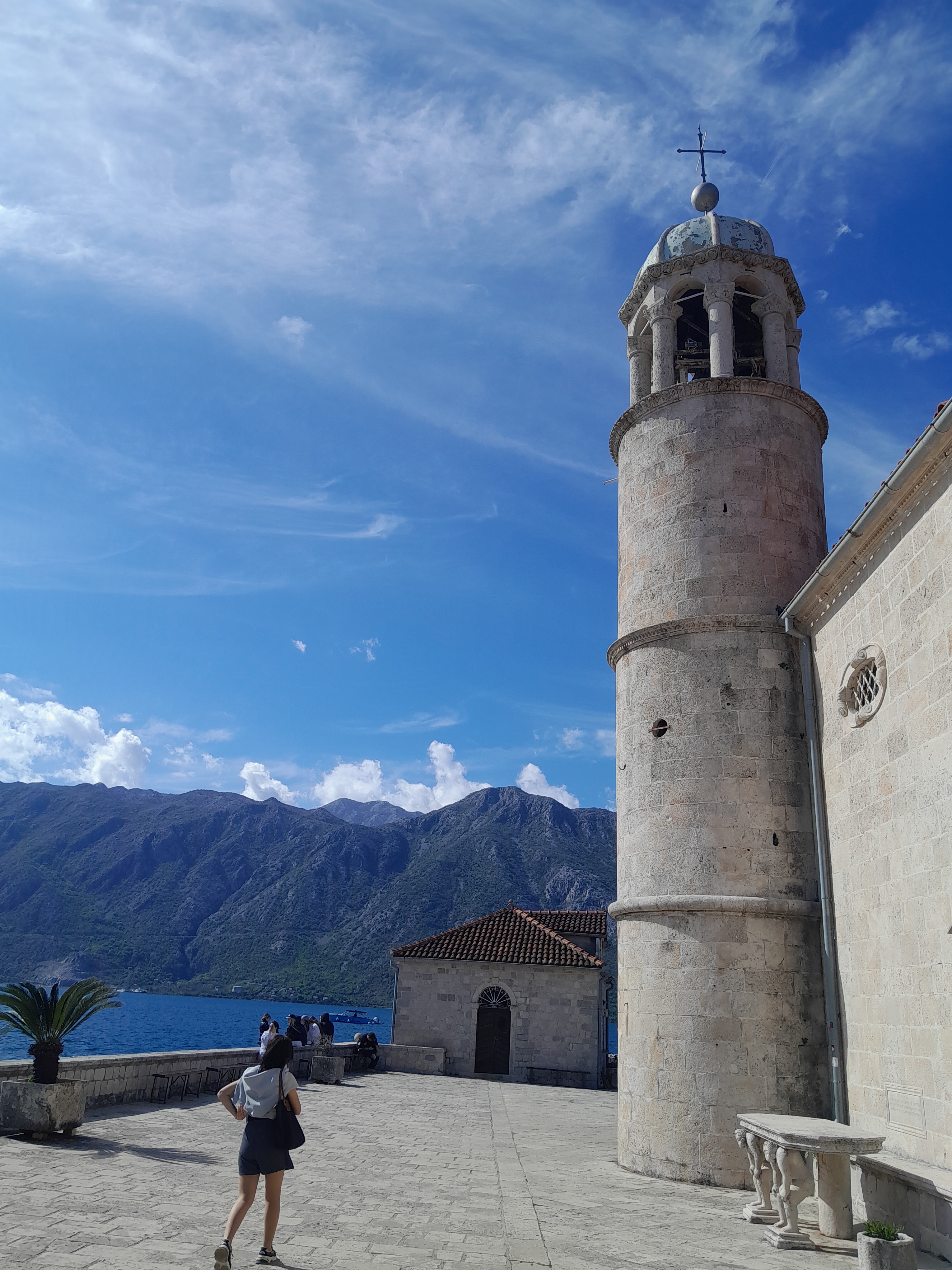
We also enjoyed a guided walking tour of the Old Town as well as visiting the Maritime Museum to learn more about the history of Kotor. Another cool activity is to take a speedboat ride to a little island with a church called “Our Lady of the Rocks” (named after a portrait of Virgin Mary found there by some fishermen according to the local legend), checking out some old soviet era submarine stations and caves with very clear blue water (dubbed “the blue caves”). We booked these tours on Viator ahead of our visit but we saw many friendly salespeople selling boat tour packages in person all around town, if you prefer to book last minute. I think the prices were very reasonable too!
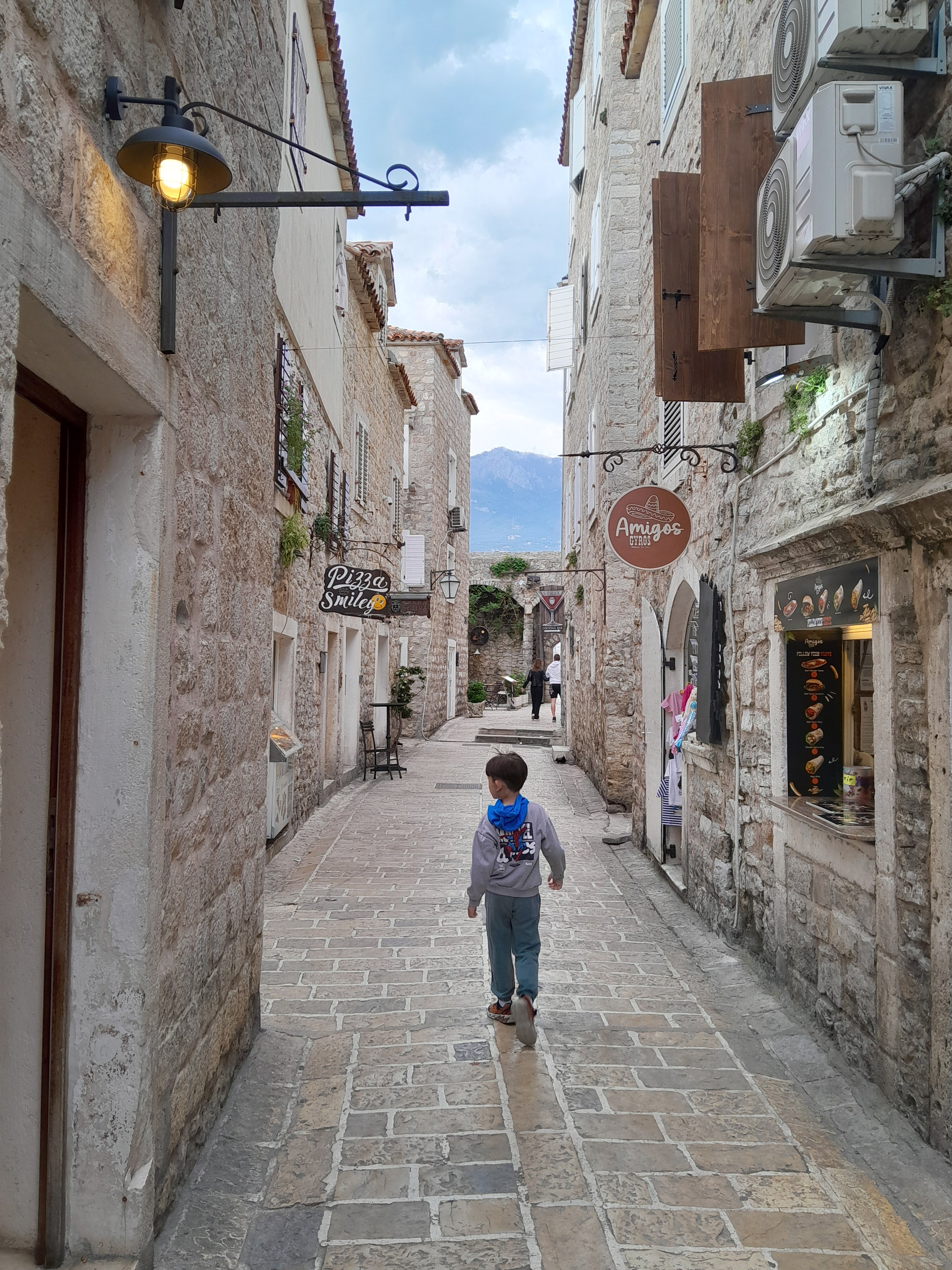
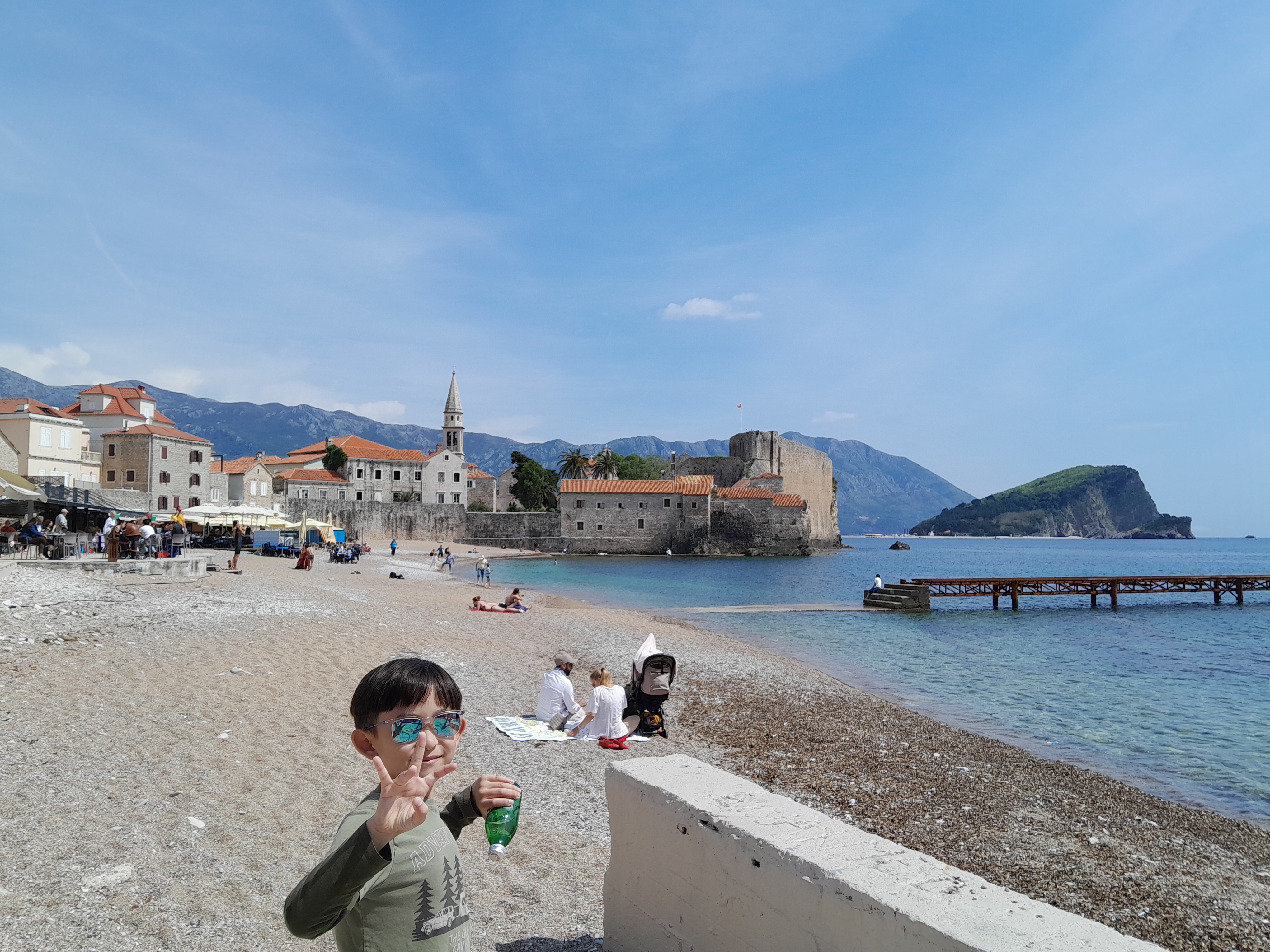
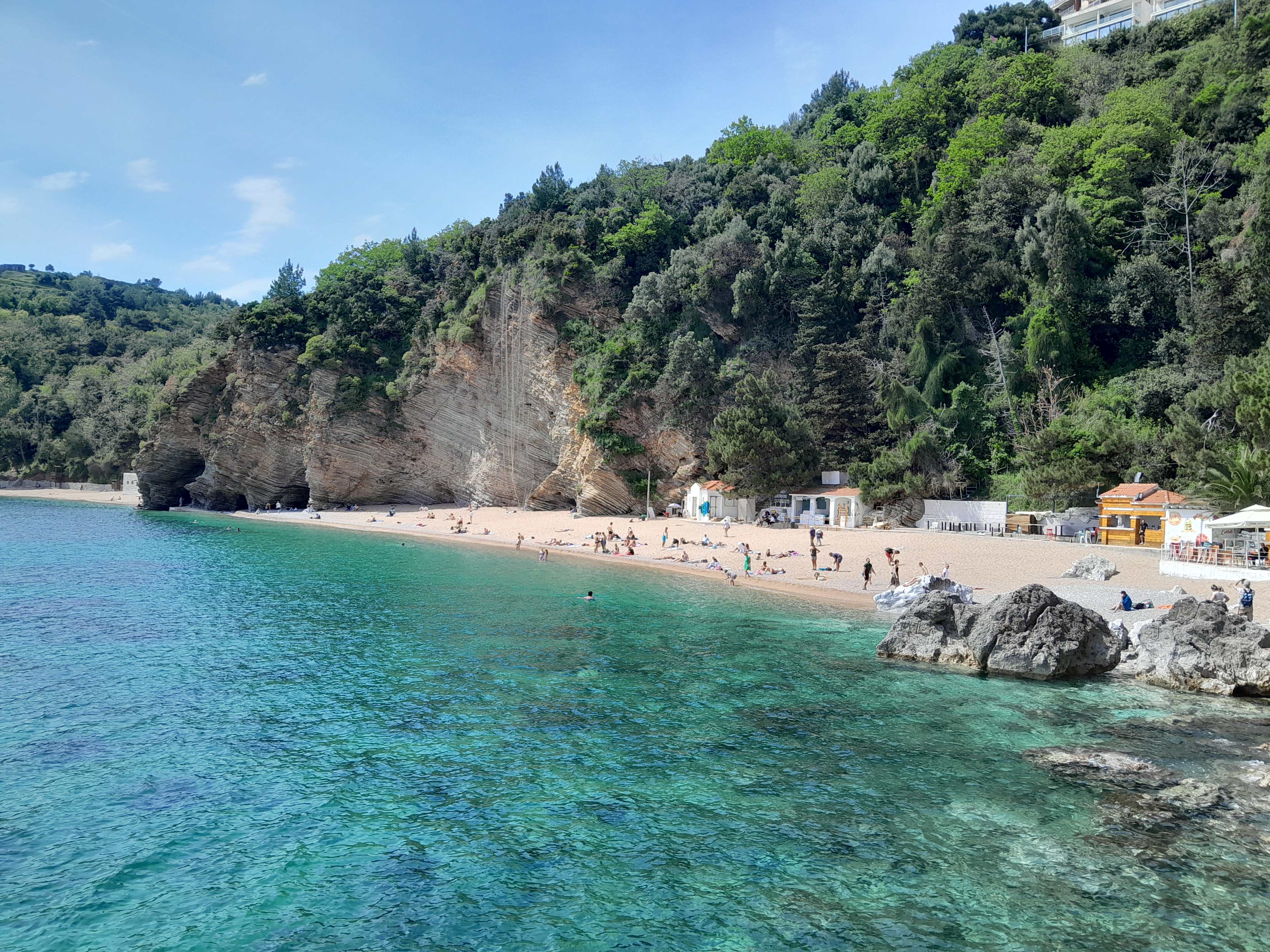
After 4 relaxing days of seaside dining, strolling around the charming Old Town and taking in the ambiance in Kotor, we headed over to another nearby resort town of Budva. It was only a 30 minute ride but make sure to book ahead because the bus was packed. I had read that Budva is a very touristy town frequented by many Russian and Serbian tourists for decades. But I’m glad I didn’t write it off because it was definitely worth a visit. Of course there were the overdeveloped parts of town that were quite unsightly, but we managed to find unspoiled parts west of Old Town Budva (also a medieval town built by the Venetians). After wandering through its charming streets, just go through a tiny door at the southern end of city walls, and you find yourself at a cute beach (“Plaza Ricardova Glava”). If you keep walking on the pathway past the Budva Ballerina statue, you find yourself at an even more beautiful beach (“Mogren Beach”). From there, you can hike up to Fort Mogren, an abandoned fort built by the Habsburgs in the 19th century. You can take another path to hike back down to the same beach, where you will have stunning cliff views of the coastline.
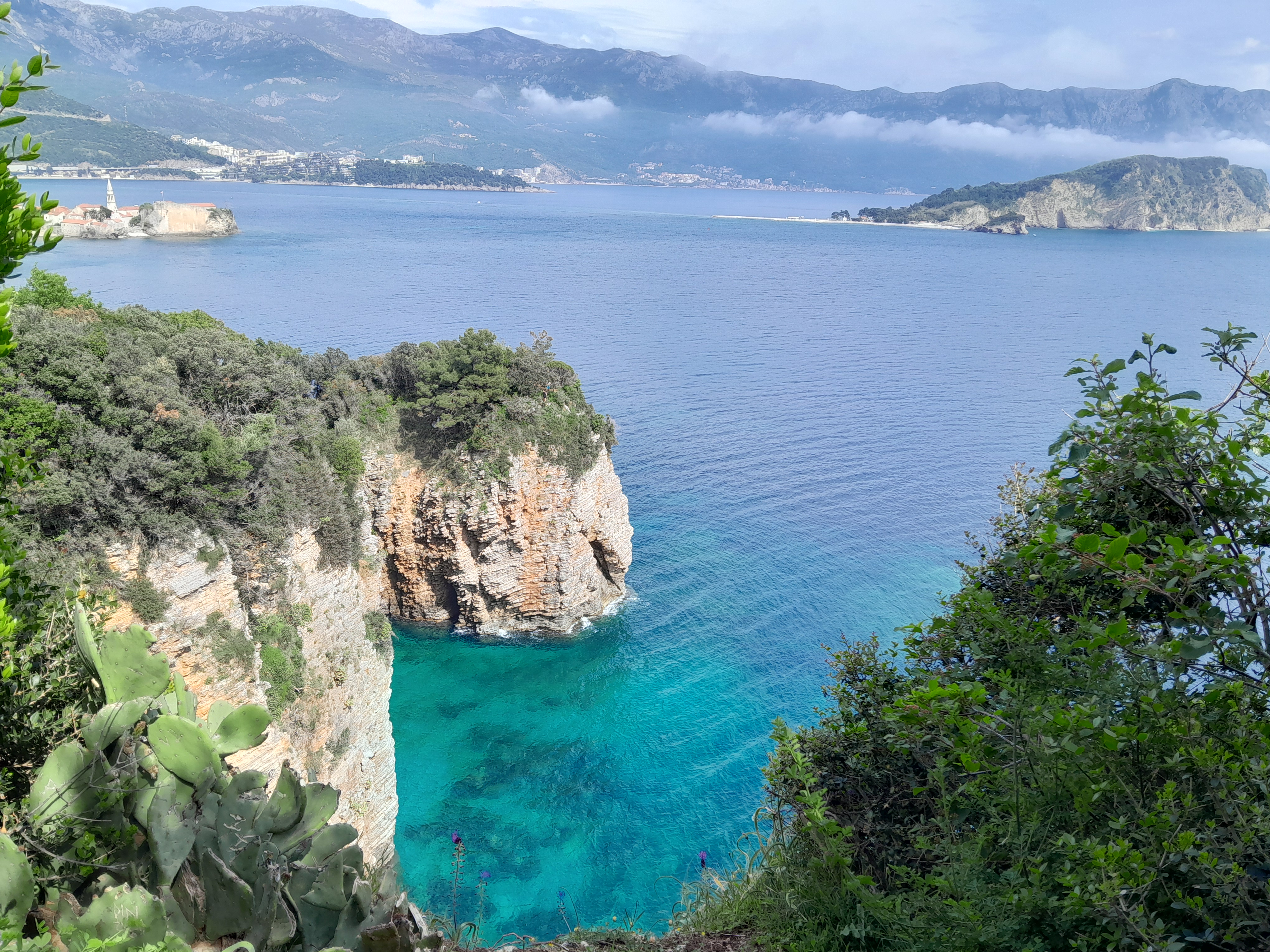
After my trip, I can wholeheartedly recommend this very safe and friendly destination for those seeking relaxation as well as adventures. The Montenegrins were incredibly friendly and accommodating, almost everyone we encountered spoke English and some even went out of their way to help us. We were pleasantly surprised and we thoroughly enjoyed our time there. Don’t hesitate to visit this gem of a country while it’s still (sort of) hidden 🙂 Bon voyage!

 Live And Love Your Life!