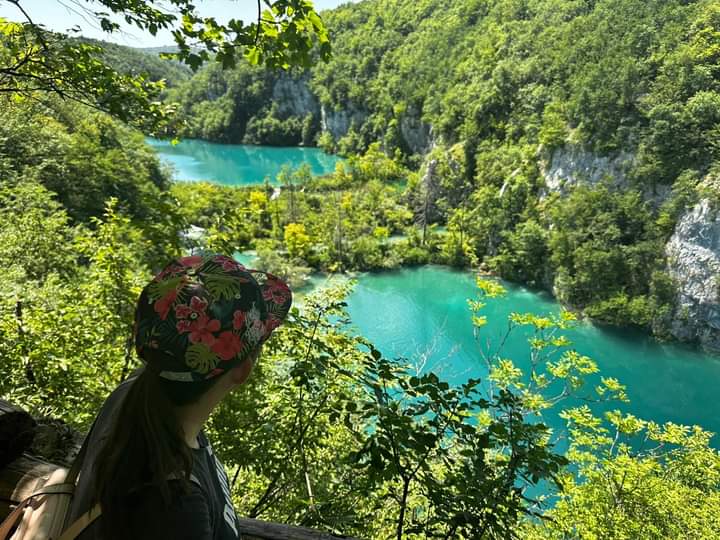
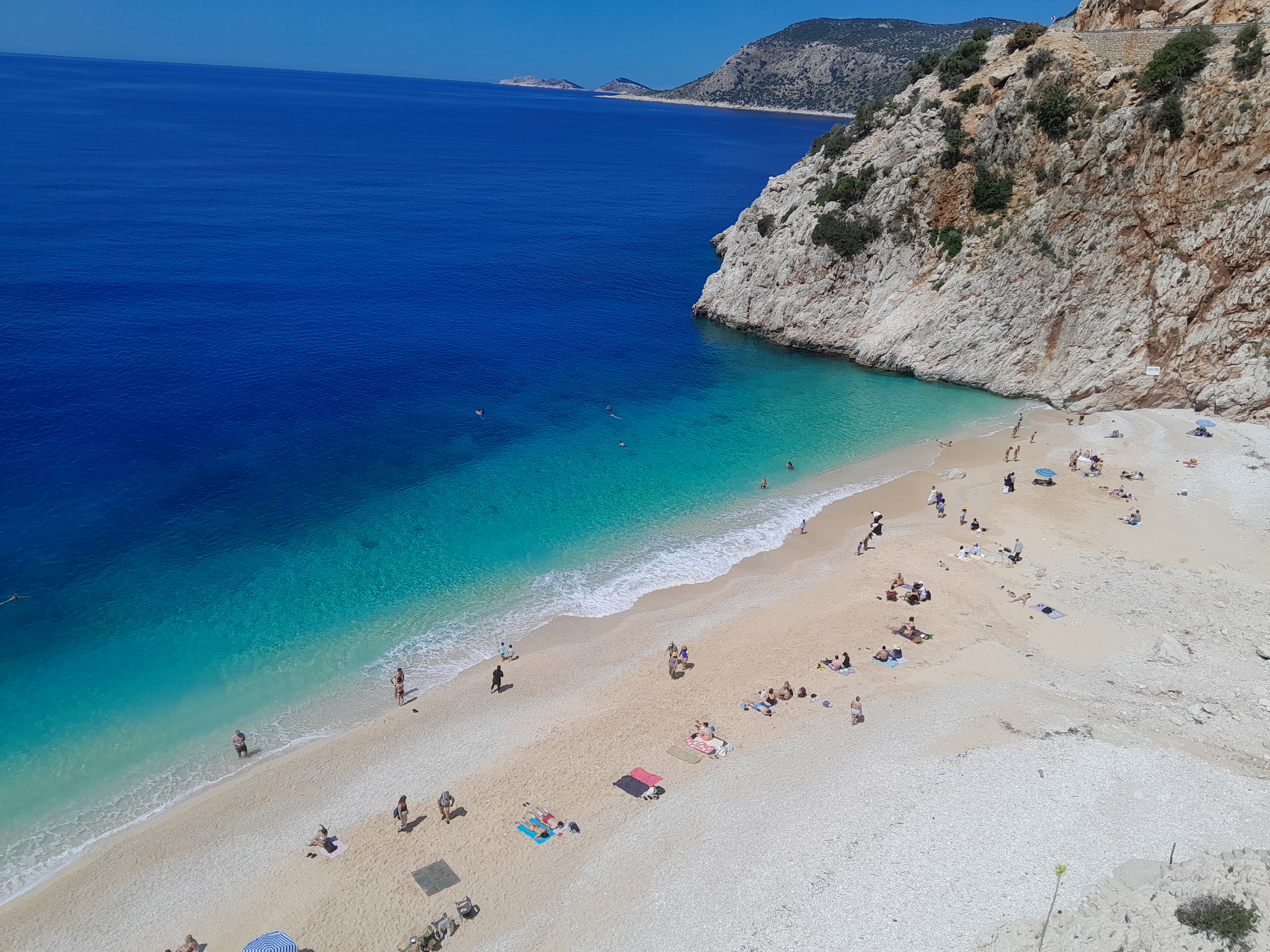
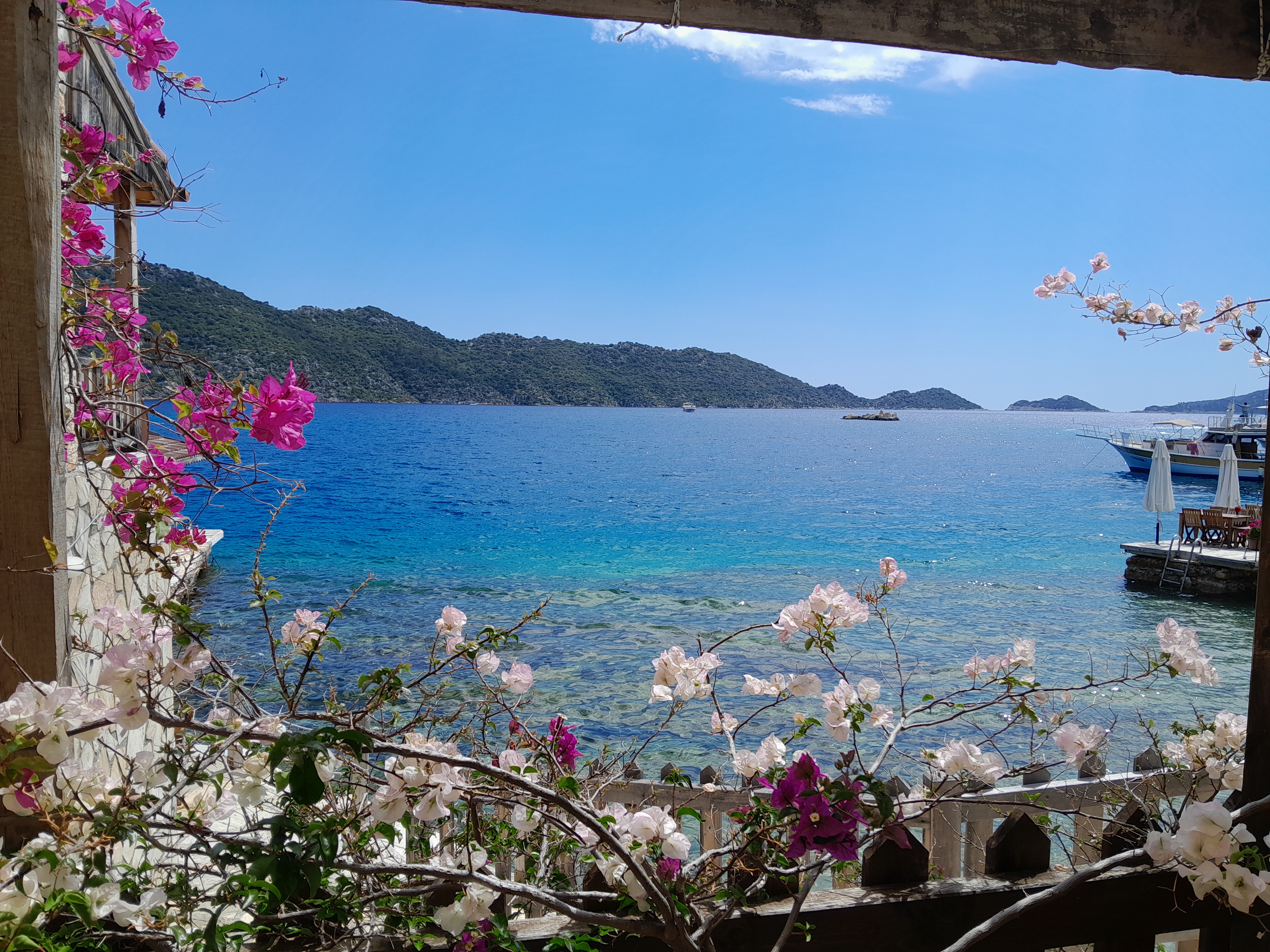
During the first week of May 2025, my family and I took a 8-day road trip throughout the southwestern corner of Turkey (often called the “Turquoise Coast” or the “Turkish Riviera”). To be honest, I think my expectations were WAY too high going in. I had heard such good things about this region from others, that it is amazingly beautiful with crystal clear blue waters. Even the origin of the word “turquoise” is a 17th century French word that refers to the Turkish, which evolved to mean both the color and the gemstone in present day. So I expected the sea to have that turquoise color everywhere but it didn’t! 😀 Only some of the beaches and parts of the coastline did, as you can see from the picture of Kaputas beach above. The beaches were often pebbly and not very clean looking (lots of cigarette butts!), many of them jam packed with lounge chairs in popular resort towns like Marmaris. Also the aesthetics of the towns didn’t impress me, as well as the extremely touristy nature of the downtown areas (e.g. Marmaris, Fethiye) – a grim stretch of stores selling nothing but counterfeit merchandise, tattoo parlors, tourist trap cafes and restaurants with sky high prices and mediocre food. BUT I did find some parts of the Turquoise Coast that didn’t disappoint and are absolutely worth checking out, which I will share in this article!
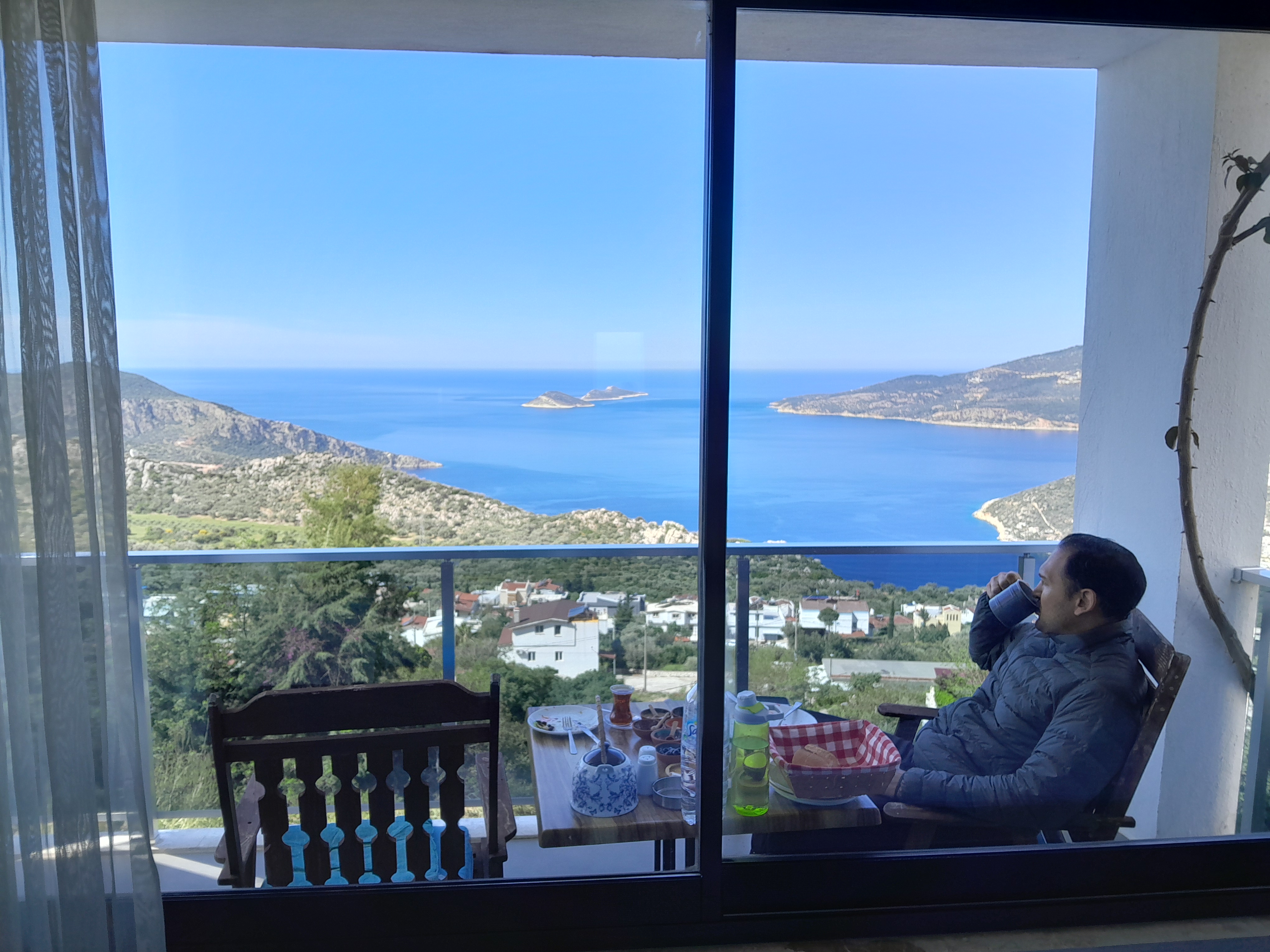
There is something for everyone in the Turquoise Coast. Whether you’re a nature lover, ancient/modern history enthusiast, an avid beachgoer, or a combination of all of the above, you can customize your itinerary to best fit your needs. Here are my recommendations for the best in each category:
For Wildlife/Nature Lovers & Beachgoers
- Turtle Beach & Sea Turtle Conservation Center, Mugla Province
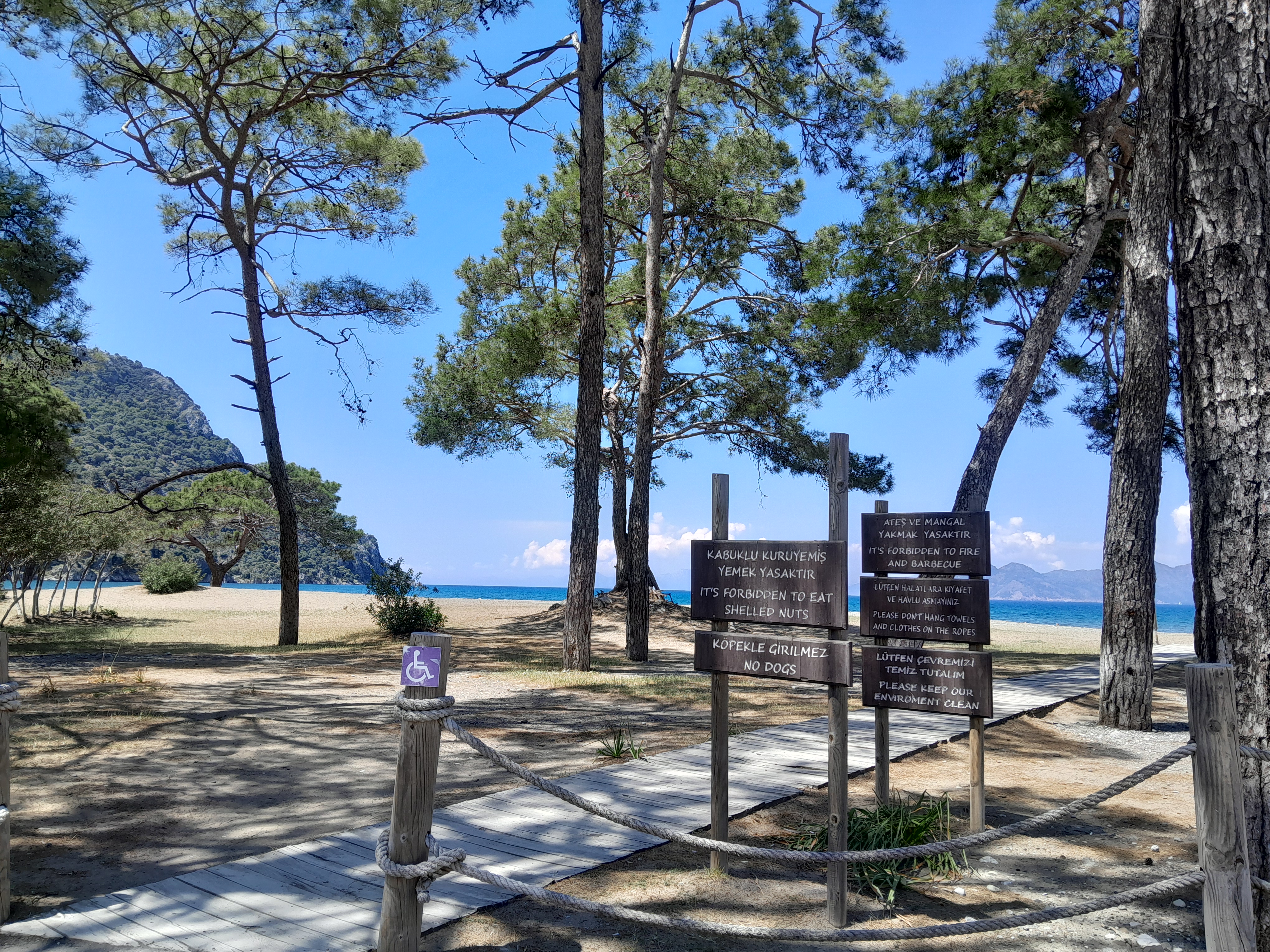
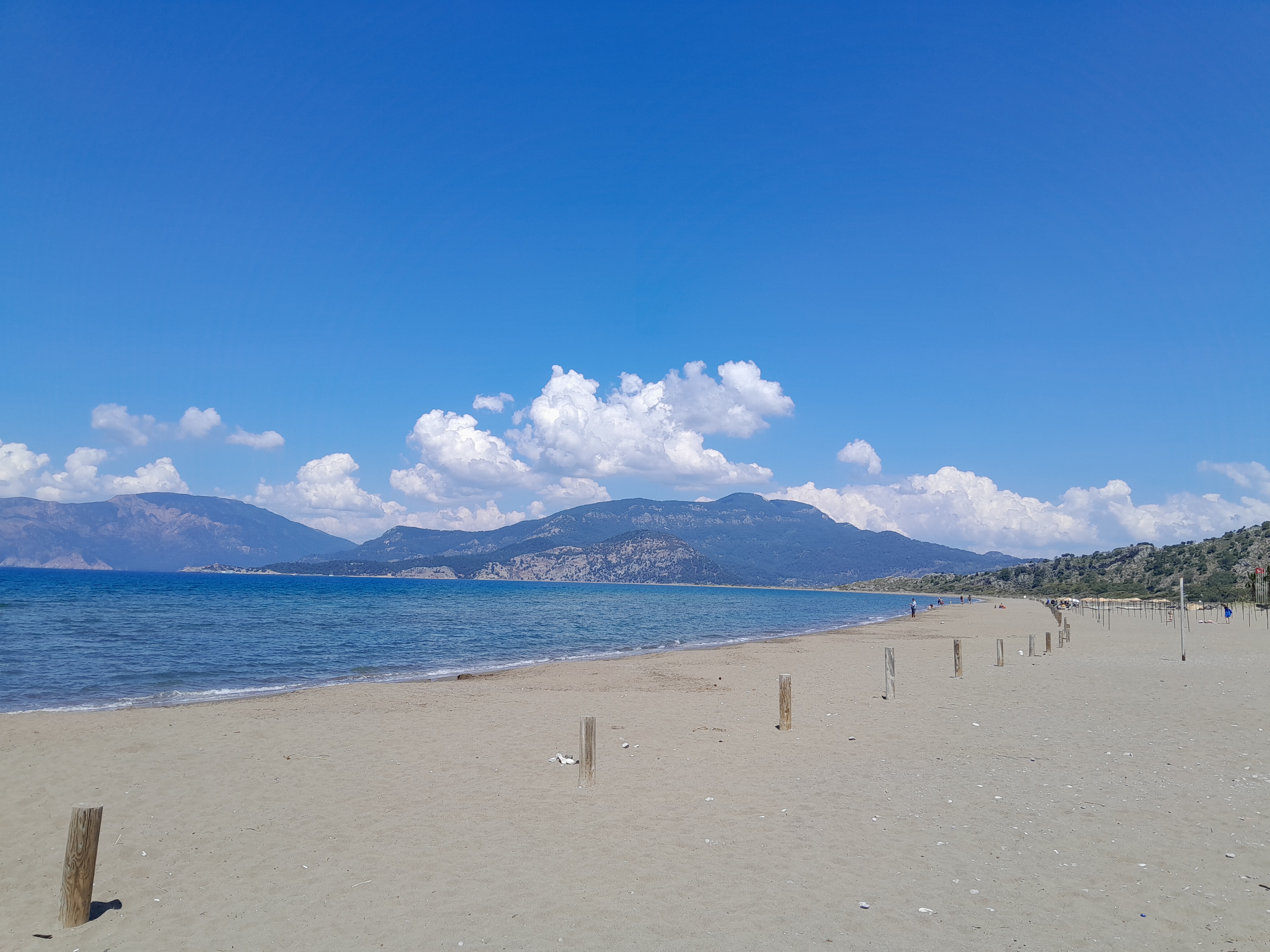
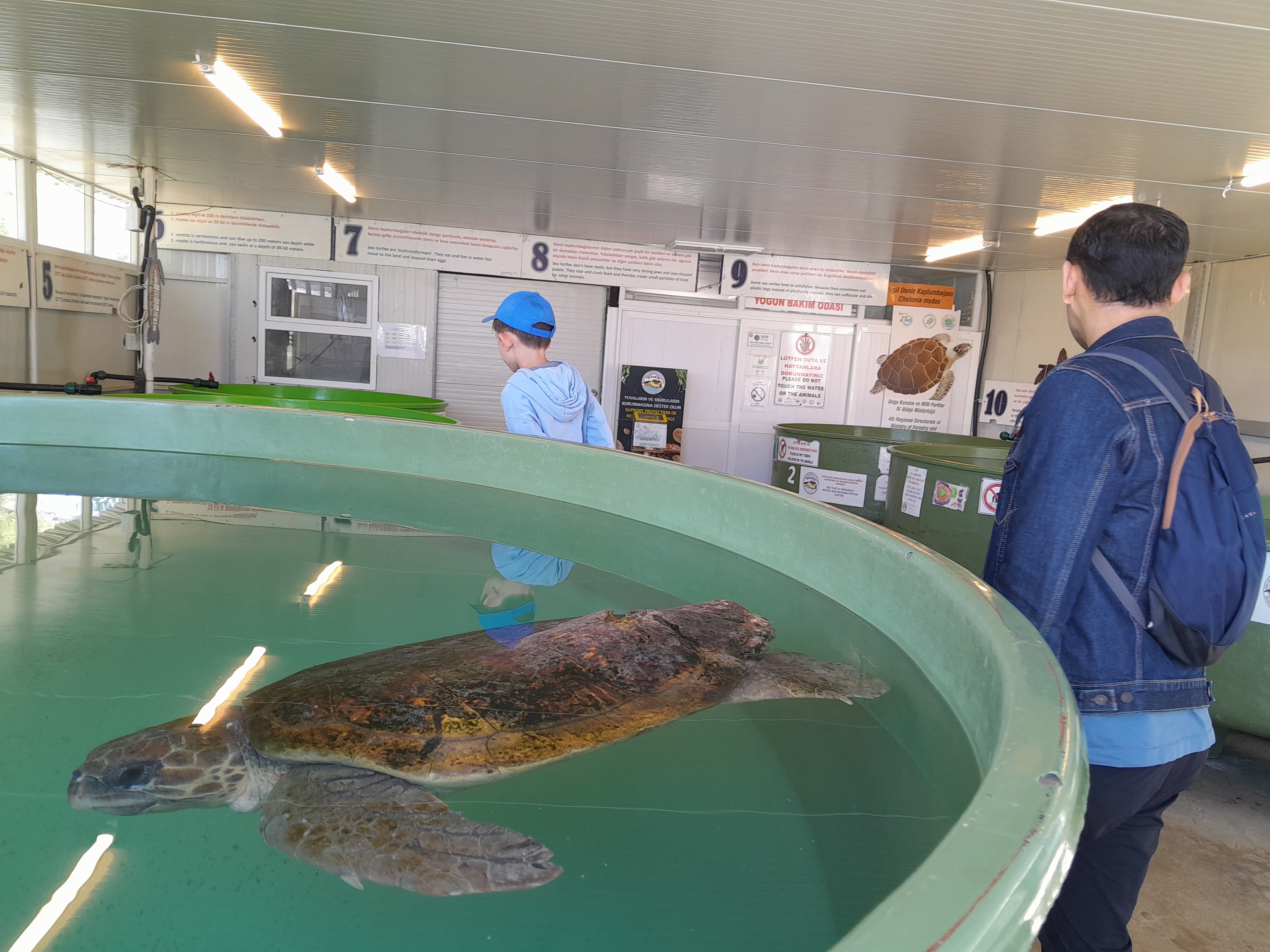
Did you know that the Turquoise Coast is home to one of the biggest Loggerhead Sea Turtle nesting sites in the Mediterranean? In the 1970’s, there was a plan to turn Turtle Beach (“Iztuzu Plaji” in Turkish) into a massive resort complex, which a group of dedicated environmentalists fought back against and won. Now it still remains as a peaceful haven for sea turtles to come back and lay their eggs year after year, and turtle loving humans can also enjoy the beach as well during the day. It’s a very long tranquil beach lined with pine trees. They just ask that you don’t dig or use beach umbrellas in the sand to not disturb any turtles’ nests that may be underneath. While at the beach, make sure to check out the Sea Turtle Conservation Center nearby (“Kaptan June’s Hut” on Google Maps), where they rescue injured sea turtles and nurse them back to health. You can see the poor, helpless creatures recuperating in their tanks, and the volunteer docents will be happy to tell you their stories and chat with you about the good work they do at this organization. Please dig deep and leave a donation in their donation box at the end of your visit, which contributes to the care of the sea turtles.
- Kaputas Beach, Kas, Antalya
This was hands down the most picturesque and pristine looking beach we saw on our trip. The local government recently started charging a small entrance fee to enter the beach, and there’s limited parking at the site. So make sure you get there early in the morning (before 10 a.m.)!
For The History Enthusiasts
Many civilizations thrived throughout history on the Anatolian peninsula, and this area used to be home to the Carian and Lycian peoples. They were native Anatolian peoples who became Hellenized starting from the late Bronze Age, meaning that they gradually became absorbed into the greater sphere of Greek influence. Both Carian and Lycian languages died out by the 1st century BC in favor of Greek, and even to this day, Carian and Lycian scripts have not been fully deciphered, adding to the mystery and allure of exploring their ancient cities. We visited the Carian and Lycian ruins of Kaunos, Amos, Knidos, Telmessos (not to be confused with Termessos, a stunning ancient city further down the coastline to the east), Xanthos, Letoon, Patara, Simena, and Myra, in that order. Most people just come to this region and see the famous rock-cut tombs but we went far above and beyond!
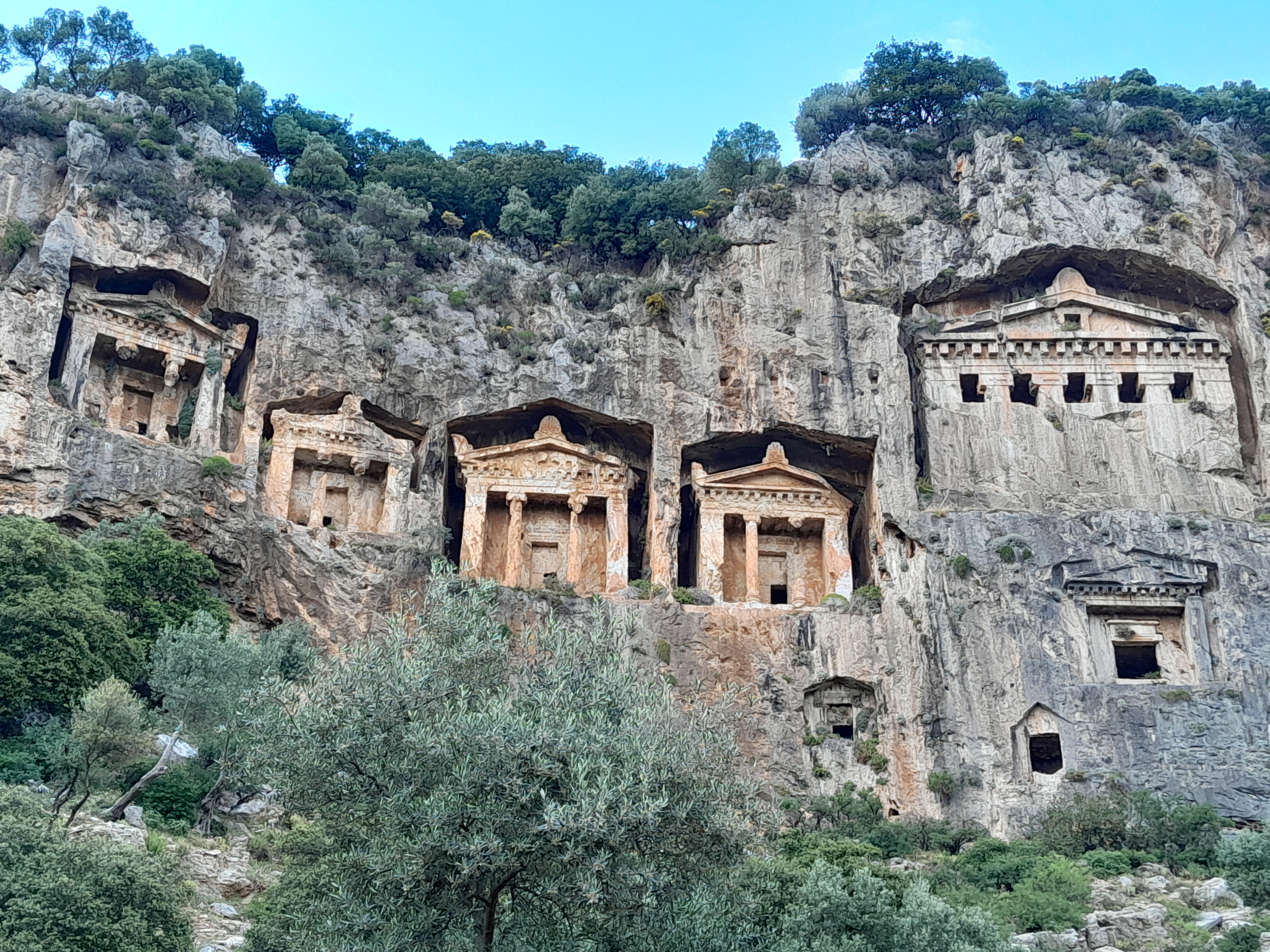
I absolutely adore visiting ancient archaeological sites and museums, and Turkey is strewn with literally thousands of them. So if you’re like me, you would find every single one of the ancient cities I mentioned charming in its own way. Each city is in various states of preservation, some are still being excavated, and some have been carefully reconstructed to show how they looked in their glory days. However, even the ones where you don’t get to see a lot of standing structures and nature has completely taken over, you still feel a deep sense of history that goes back several thousand years. I really enjoy walking through the ruins to see the remnants of human life that has persisted over such a long period of time, and it imbues me with a sense of perspective – we’re all but brief blips in time, and when we’re gone, how will we be remembered in posterity?
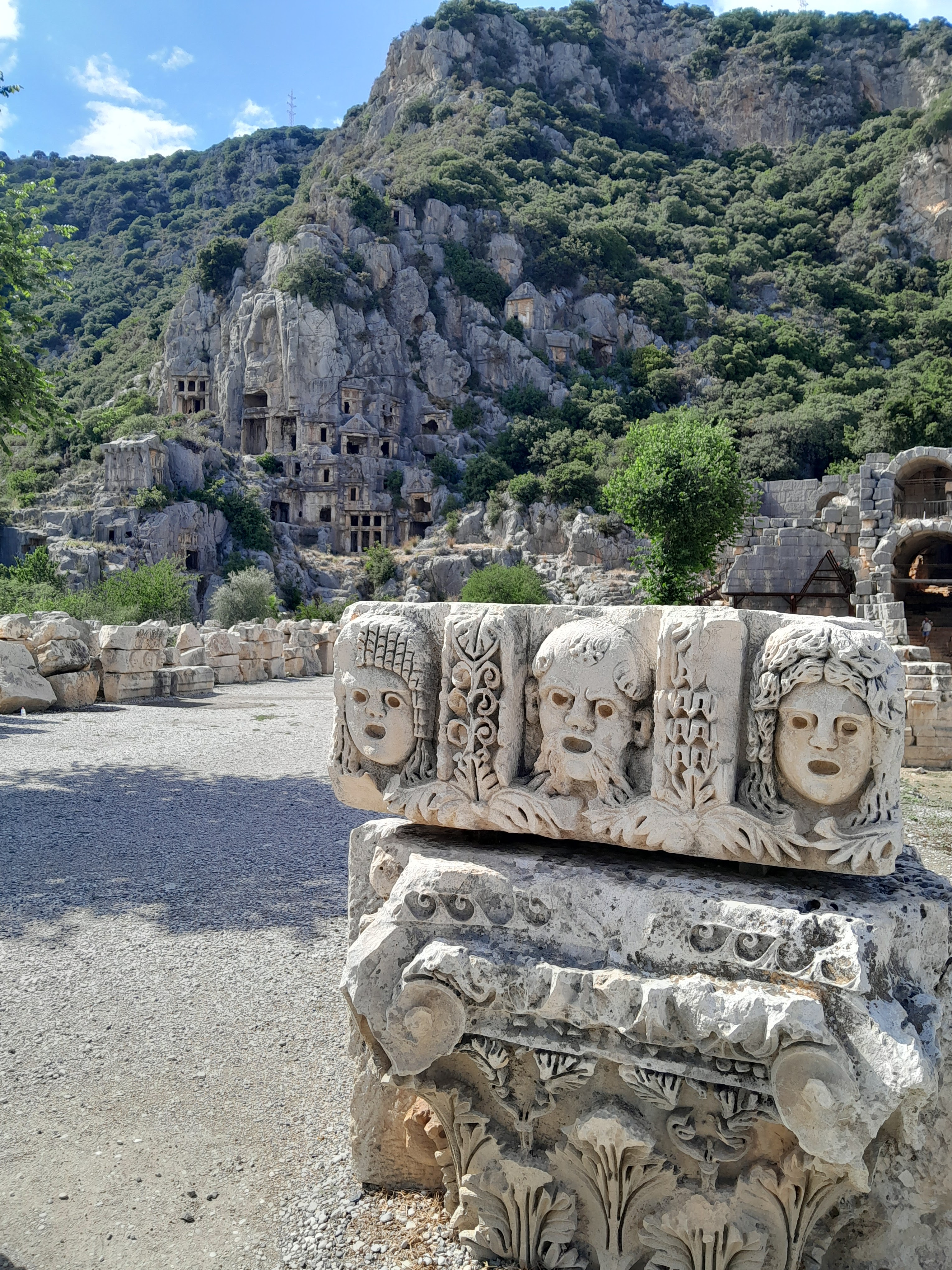
But even if you’re not into ancient history, you may still enjoy visiting at least some of the cities I went to just for the hiking trails and views. Amos is the least known ancient city out of all of the ones that we visited and it is still being excavated. It’s a very nice hike up in the hills and you can see dramatic sea views from its small ancient amphitheater. There is a mysterious circular shrine behind where the stage used to be, dedicated to the god Dionysus. Another site with a nice hike and a drop-dead gorgeous view of turquoise colored water from the top of the castle/fortress is Simena. Try the locally made goat milk ice cream, which is sold by multiple vendors nearby. If grand ancient structures impress you, Patara would be well worth visiting – its magnificent 5000-seater amphitheater has been reconstructed as well the adjacent Lycian League’s council chamber (a.k.a. bouleuterion from 1st Century BC), which is the earliest known parliamentary building in history. Myra was also very impressive, with a well preserved amphitheater with fascinating architectural adornments, and many Lycian rock cut tombs in the stony cliff behind the theater.
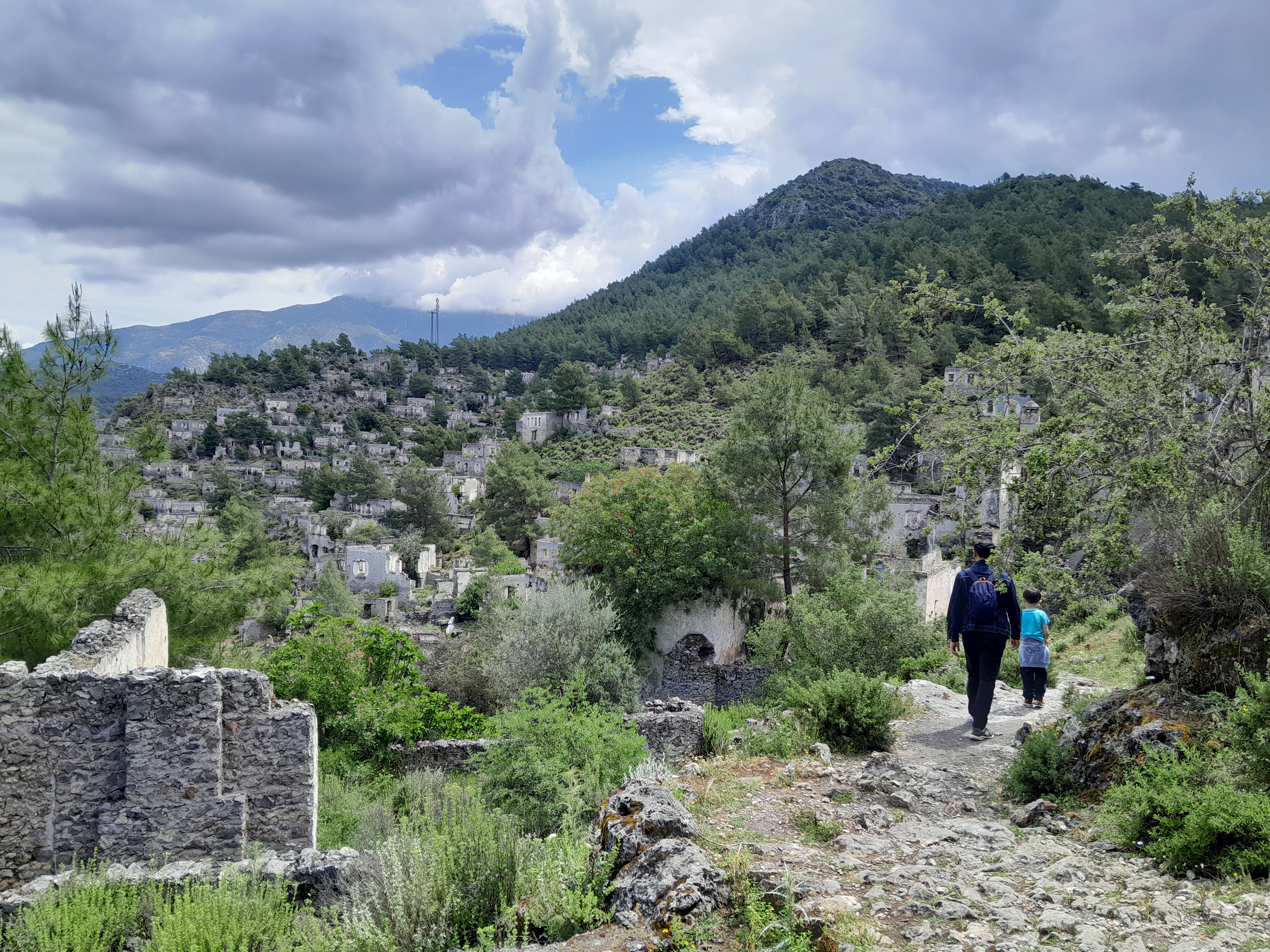
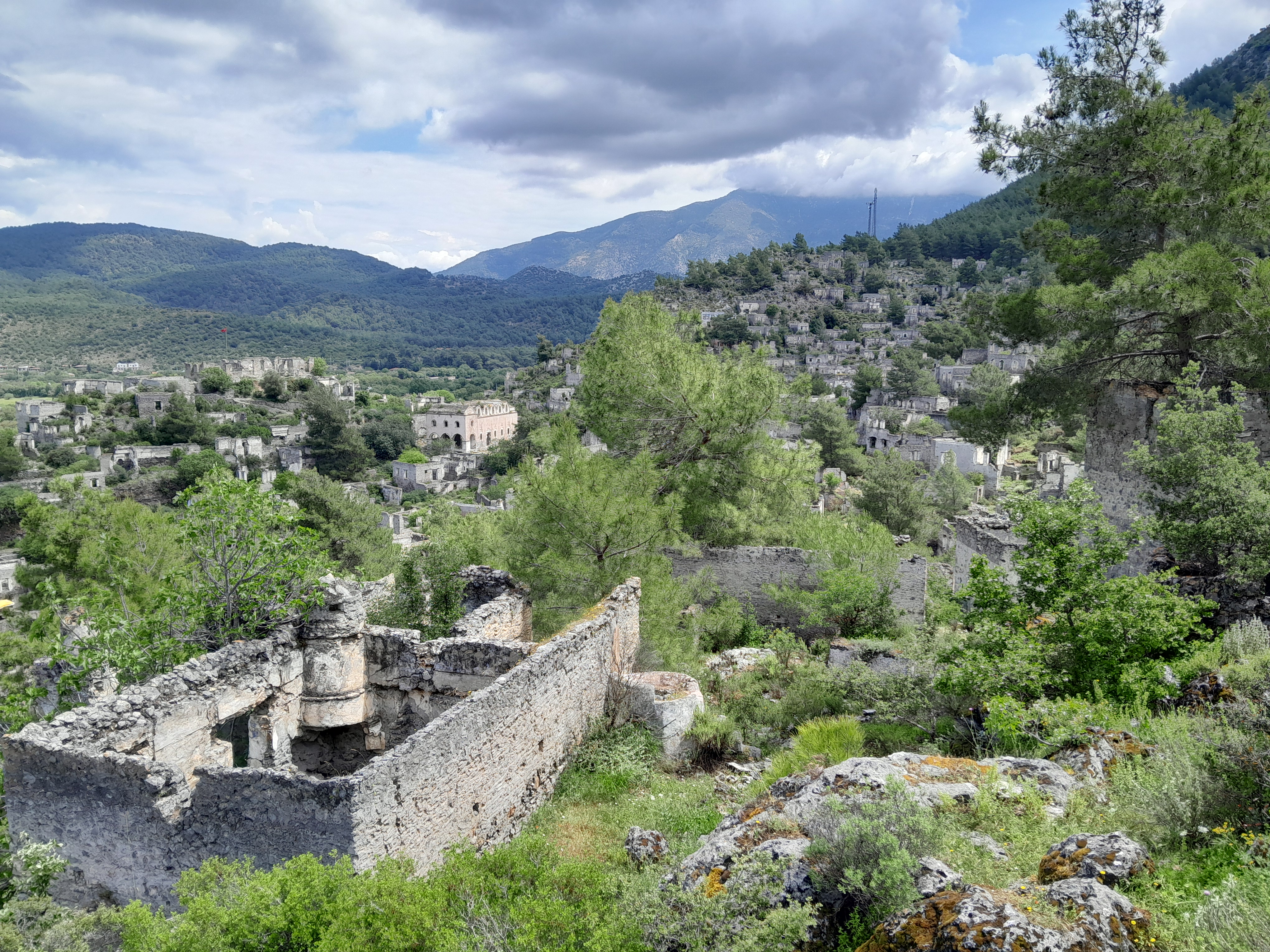
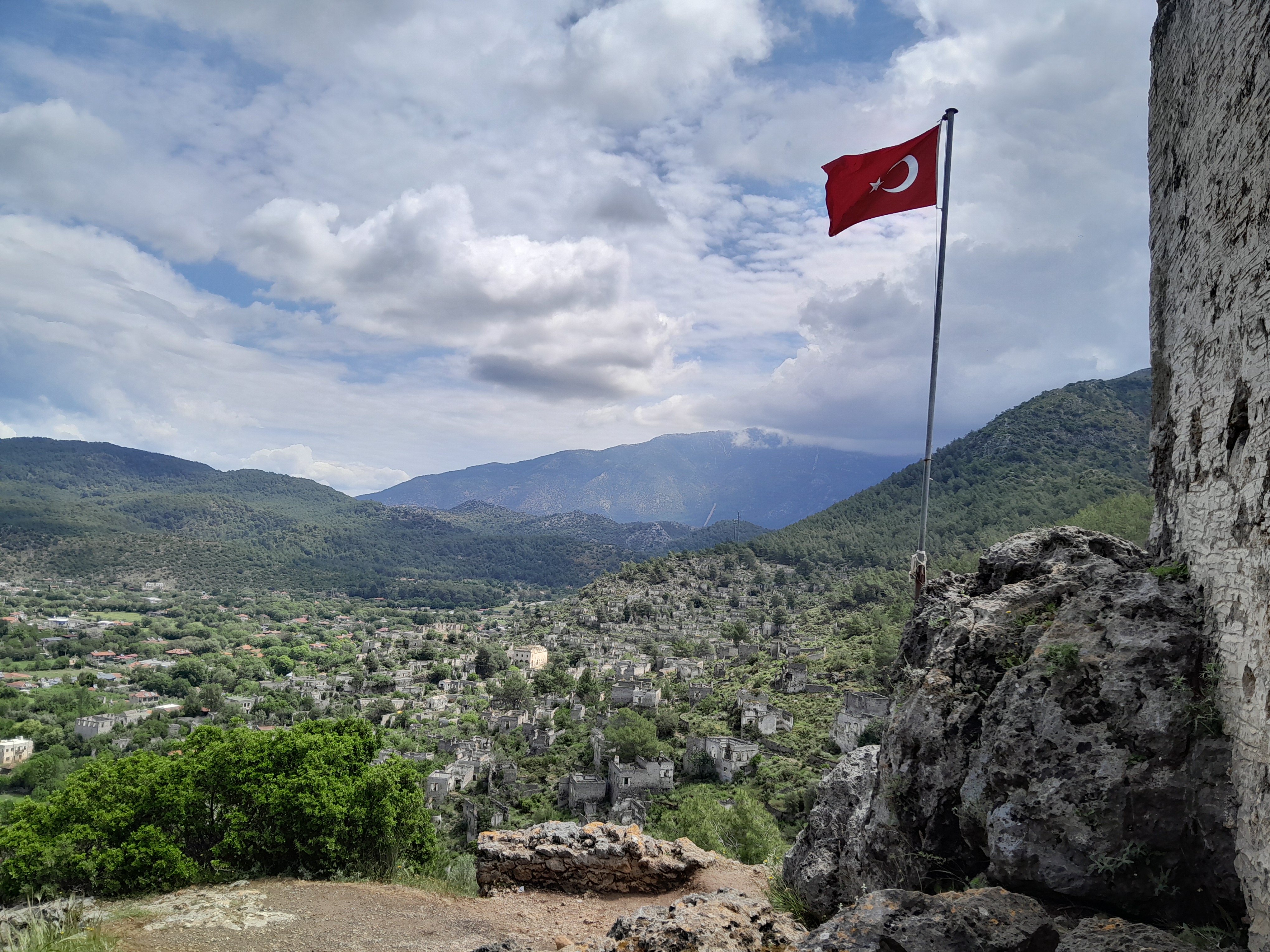
Modern history enthusiasts may find the ghost village of Kayakoy very evocative to visit. Located near Fethiye, it used to be a prosperous Greek village that was abandoned after the population exchange of 1923 between Greece and Turkey. Following the Greco-Turkish War, the two countries decided to put an end to the bitter violence perpetrated on each other and to forcibly emigrate ethnic Greeks of Anatolia to what is now Greece (and the same happened to the ethnic Turks who were then living in Greece). This resulted in the displacement of over 1.6 million Greeks and 400,000 Turks from their ancestral homelands.
Kayakoy was called Levissi in Greek. Most of the ruins of houses, churches, chapels, custom house and other structures you will see in there date from the 19th century. The village stands as a haunting reminder of the violence that ravaged this tranquil region. There are many scenic hiking trails that lead to and from the village, with varying levels of difficulty. But make sure you take sun protection and plenty of water before you set off on a hike! The sun can be very intense, even in the spring.
Turkey is home to such a rich tapestry of human civilizations – I don’t think there’s any other country with as many incredible archaeological remnants from so many different peoples since the Paleolithic period. Road tripping in Turkey is the best way to explore all these historical sites that may be in remote areas, away from all the hustle and bustle of the typical tourist circuit (see my other road tripping in Turkey article about exploring the historical sites of central Anatolia here). Have fun exploring this exotic country! I hope you enjoy it as much as my family and I 🙂

 Live And Love Your Life!